

Lights out, Bucks County!
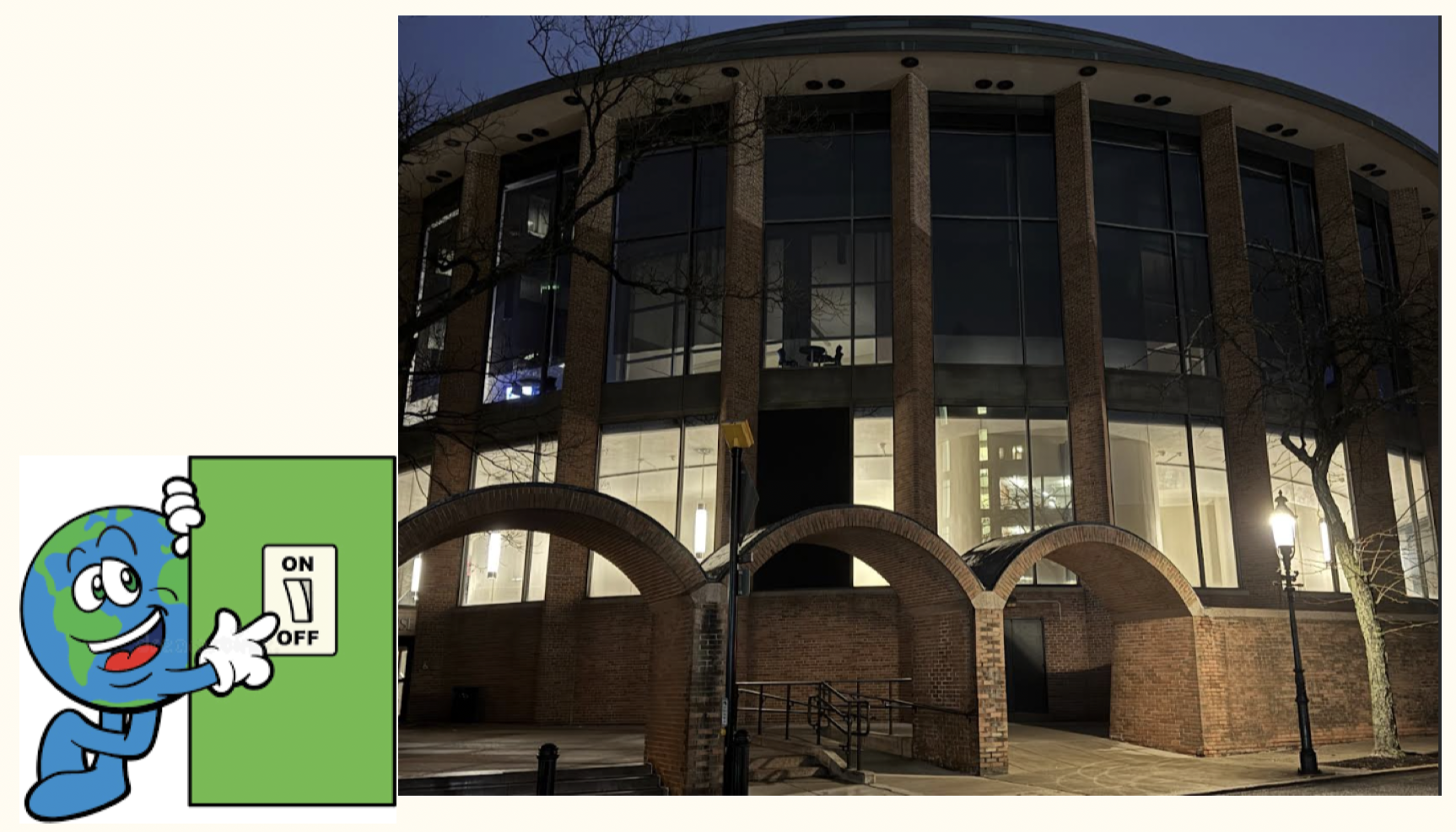
Photo: Vin Pannerselvam / Doylestown Admin Building turns off light during migration
Author: Vin Pannerselvam
On March 27th, I made a presentation about Bird Window Collisions to a few concerned citizens of Yardley. The event was arranged by the township Environmental Advisory Committee Chair, Julie Pasini — a fellow birder and dear friend from the Churchville flock. Scheduled for 6:30 PM.
After overcoming 30 minutes of technology hurdles, we were ready at 6:20 PM. Just one interested party had shown up. To be fair, it was a Friday evening, a Phillies-Rangers game night, spring break, and pre-Easter week. Who wants to hear a depressing story about window strikes? We were almost ready to present to empty chairs and a lone township supervisor. Thankfully, the room filled with bird nerds from Yardley and Lower Makefield townships. I swiftly went through 78 slides in an hour — a personal record, considering I cap work presentations at 30 slides/hr. We covered a good number of questions along the way too. Julie and I were so happy about the session that we decided to record it to share with Bucks Birders. Well, we thought we did. My MacBook had a different plan — it kept asking a security question in the background. The session was never recorded. It was one of the best speeches you would ever hear in the history of bird window collision talks. Disappeared into the digital void. Now you’ll never hear it. Sorry!
So I decided to write it up as a blog, in Q&A format. Hope you like it!
How big is the Bird Window Collision problem?
Quite huge. Unbearably huge. It is, in fact, arguably the second leading cause of bird mortality in the United States.
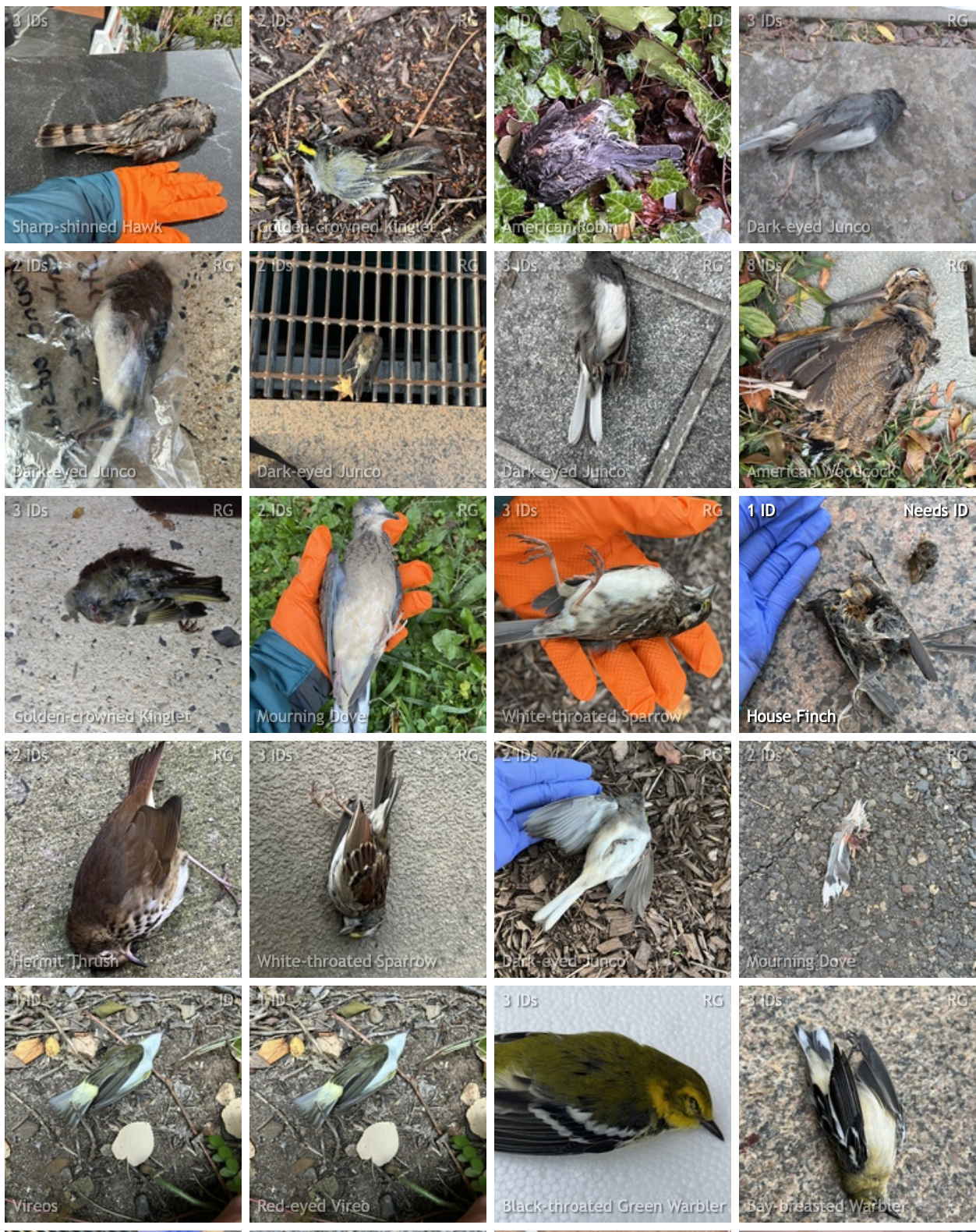
Every window kills birds indiscriminately
Home and low-rise buildings cause 99% of bird collisions in US!
Dr. Scott Loss, a leading bird window collision scientist, estimated in a landmark 2014 study that between 365 million and 988 million birds die annually from window strikes in the U.S. This study remains the widely accepted official estimate by the U.S. Fish and Wildlife Service and other agencies.
Dr. Daniel Klem of Muhlenberg College has conducted extensive research on bird collisions since 1979 and was the first researcher to publish an official collision estimate in the 1990s. In 2024 — a full decade after Dr. Loss’s study — Dr. Klem and his team updated the numbers using the latest data and technology. The figures are even more dire: he now estimates between 1.28 billion and 3.46 billion birds die each year in the U.S. alone. To put that in perspective, the lower bound amounts to approximately 3.5 million birds every single day.
What causes birds to collide with windows?
Three things: artificial light, transparent glass, and reflective glass.
See below all of these factors effectively working together to cause significant bird collisions at Comcast Technology Center in Philly. Photo Credit: Stephen Maciejewski. The last picture is a Bird Safe Philly volunteer Christy David trying to collect an injured bird (I think it is a stunned white-throated sparrow).
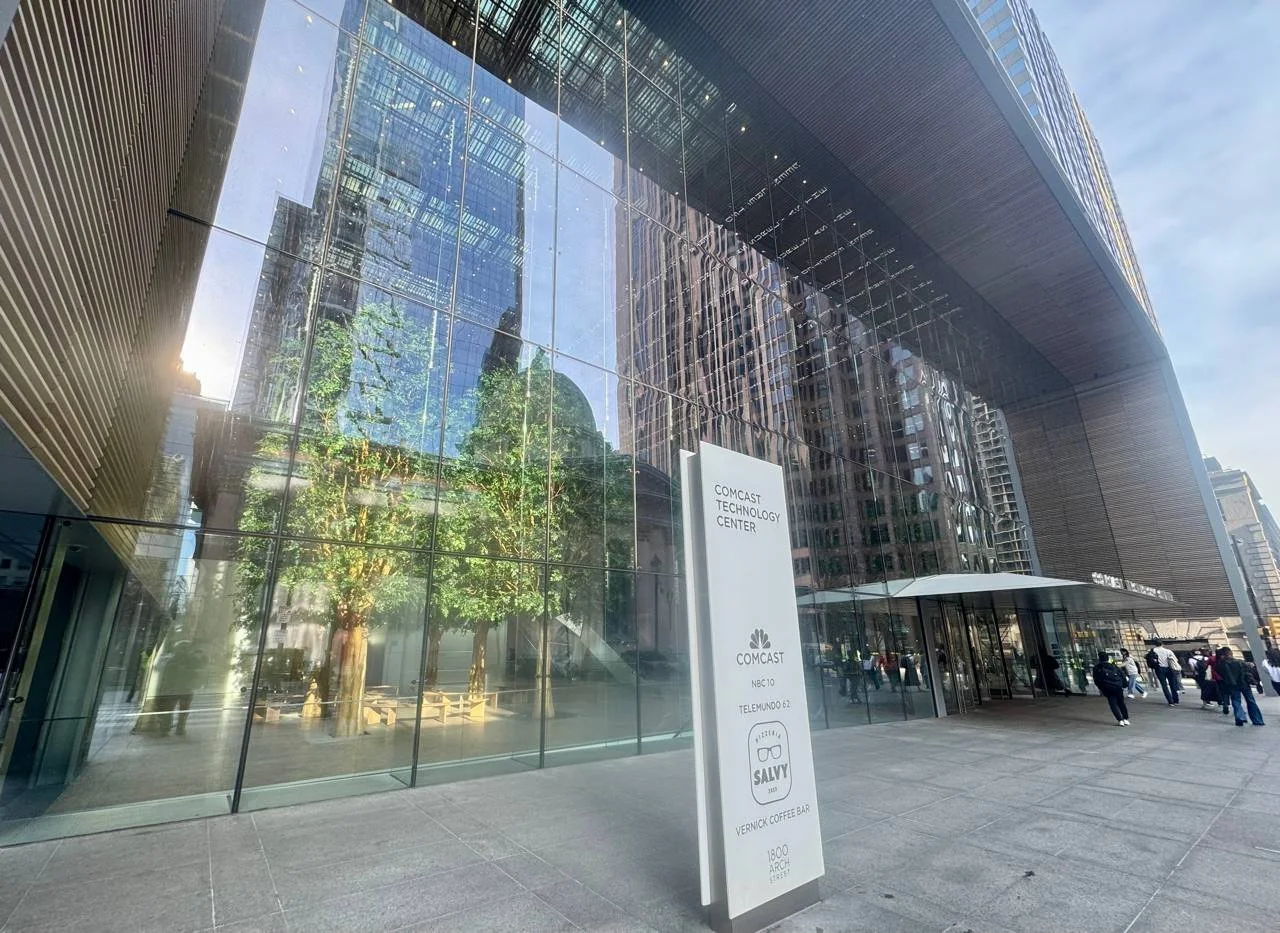
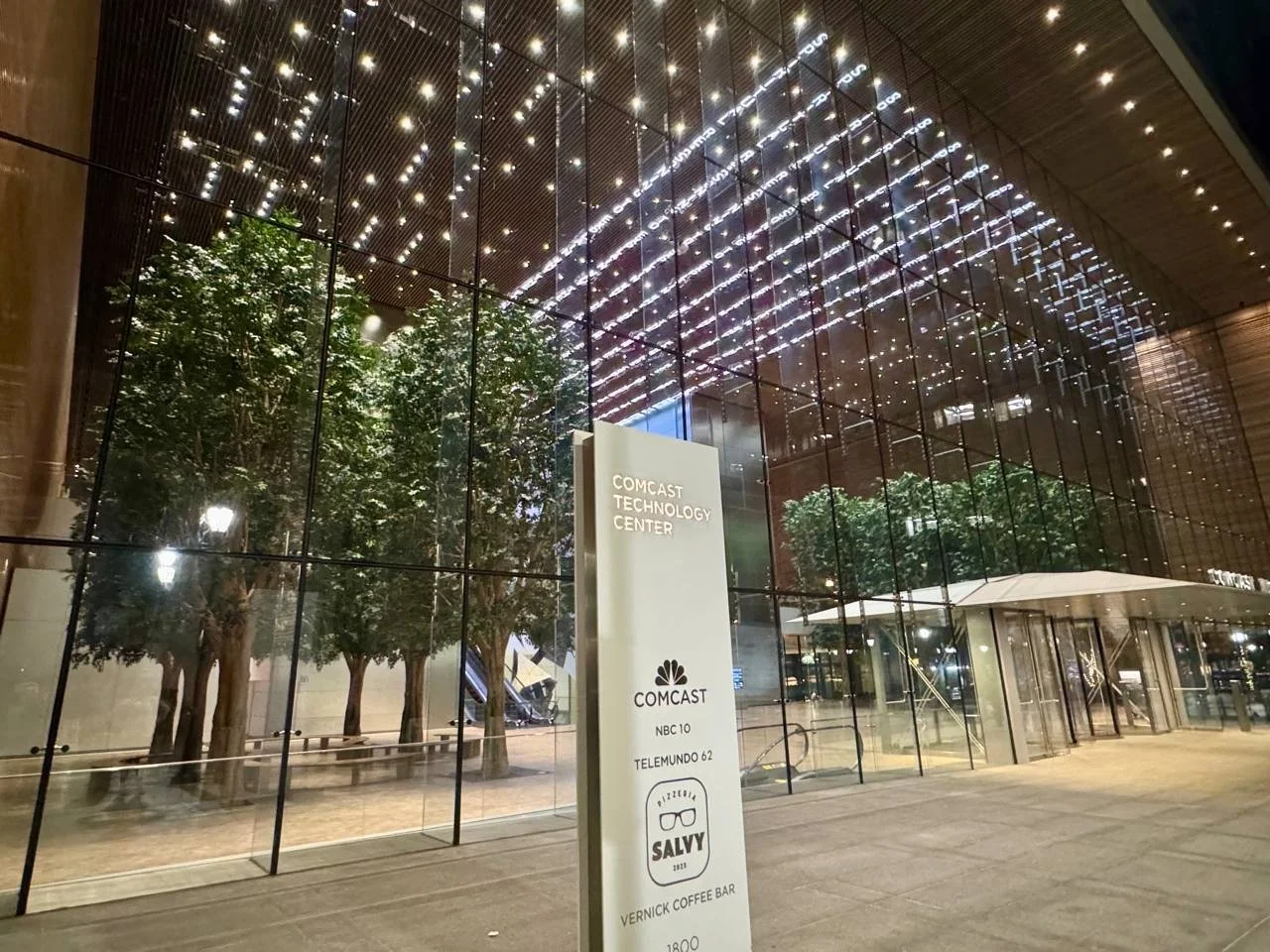
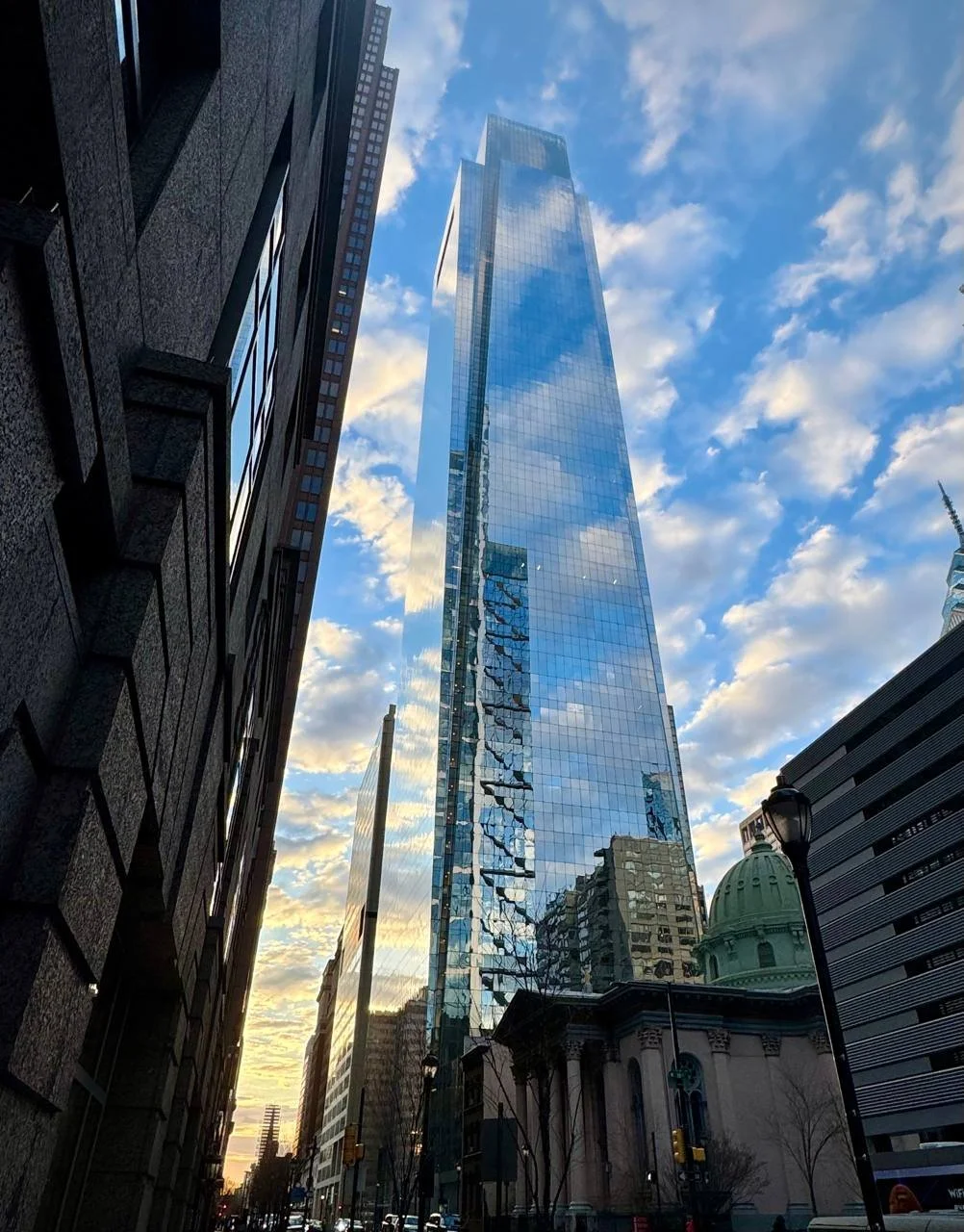
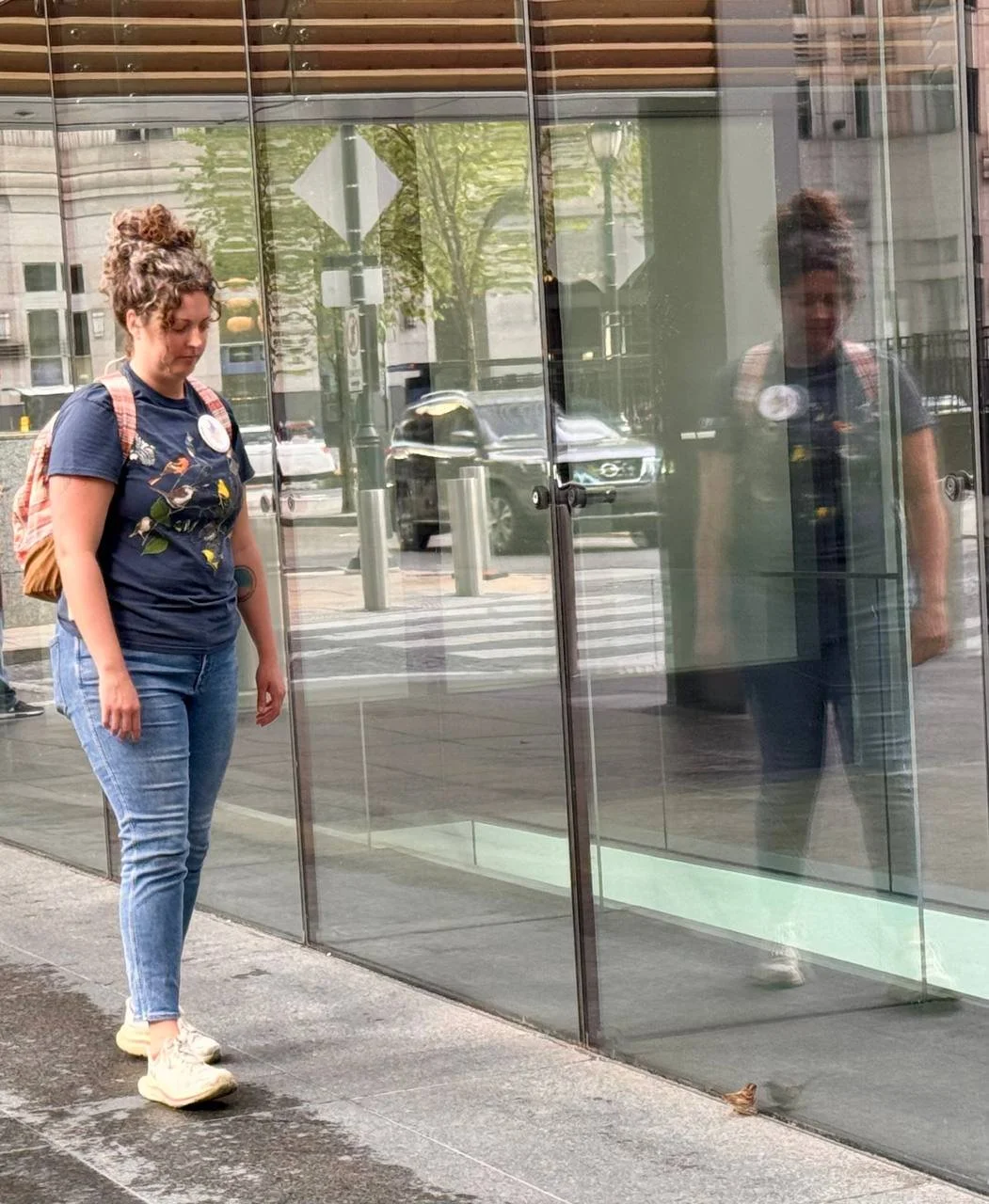
Like most animals, birds are instinctively drawn to light. This pulls them toward buildings at night, making them especially vulnerable during migration. Whether in a dense city, a quiet suburb, or a rural neighborhood, uncovered artificial lights disorient birds in flight — a phenomenon known as light pollution — and steer them directly into harm’s way.
Second, birds have no way of understanding transparent glass. Nothing in the natural world resembles a clear pane that blocks passage without any visible signal. There is no cue, no warning, nothing to suggest the air ahead is not open sky. And honestly, even the human brain struggles with this — try navigating a glass maze without leaving your face on it.
Finally, reflective glass is perhaps the most deceptive killer of all. A bird sees the sky or a tree mirrored in a window and believes it is real — flying toward what appears to be open habitat or a safe perch, only to meet solid glass. Mirrors are deceptive. We can all agree on that.
Which buildings cause the most damage?
There is a popular belief that high-rise buildings kill the most birds. It is simply not true. Most birds die at homes — one to three stories — and low-rise buildings of four to ten stories. Residences account for roughly 44% of collision deaths, and low-rise buildings for about 56%. High-rise buildings, by contrast, account for less than 1%. Power lines claim some, and windmills a negligible amount. Yes, that is surprising.
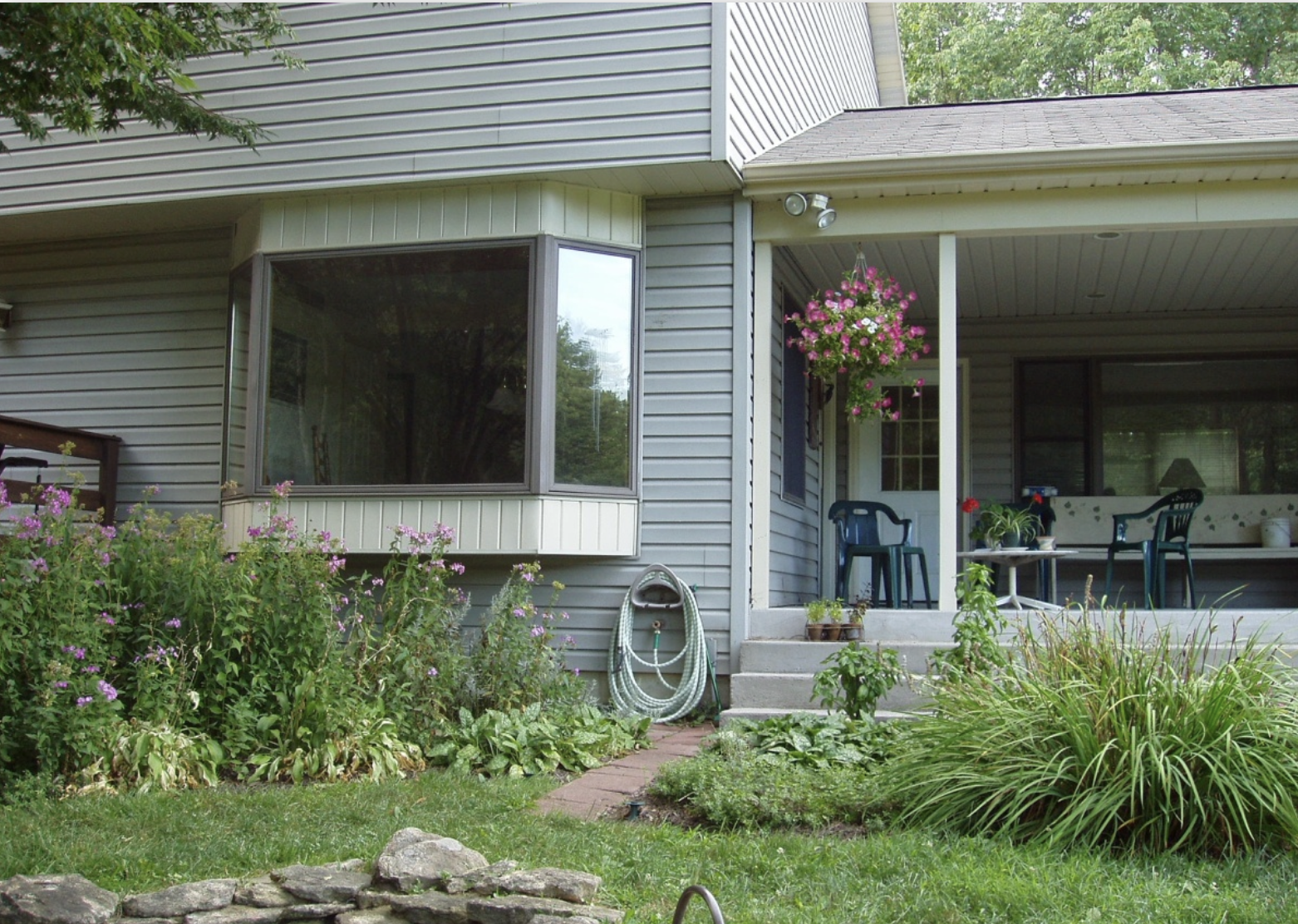
Home windows kill more windows than skyscrapers
Why? Because they are numerous and they silently killing our beloved birds
Why haven’t I seen this many birds near my window — or any window?
That is a very logical question, and it deserves a counter-question: how many birds actually live in the United States?
The answer is approximately 10.5 billion — in the U.S. alone. This is a broad estimate based on long-term population trend analysis, and the number can fluctuate anywhere between 10 and 20 billion depending on seasonal migration and breeding cycles. With a U.S. human population of roughly 336 million, that works out to about 31 birds for every person.
Do you notice thirty-one birds for every person you pass in a day? Probably not. The irony is that most of us are simply unaware of the birds living all around us. In the rush of daily life, we rarely stop to observe nature, wildlife, or even the trees outside our windows. So it follows that we would never notice a dead bird — especially since most window-strike victims do not die on impact. They fly away wounded and perish elsewhere, often more than two days later from internal trauma.
This is hard to hear. What can I do at home? I don’t want my home to be a graveyard for birds.
Glad you asked. Let’s start with the single most impactful change you can make today: fix your outdoor lighting.
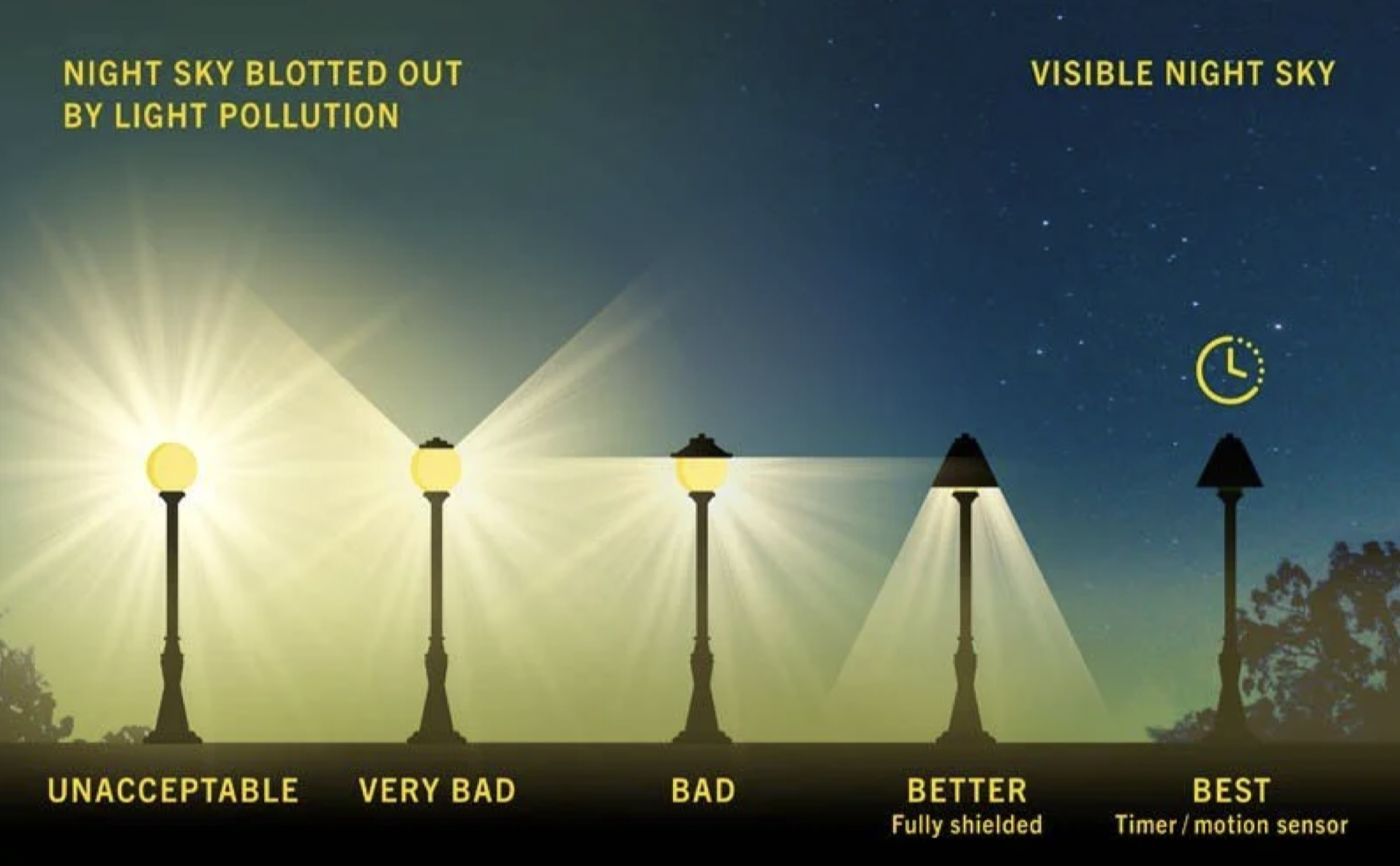
Every one of us is guilty of this — birder or not. We simply are not careful enough about outdoor lights, and yet addressing this is the easiest and most meaningful bird conservation step any individual can take. Uncovered outdoor lighting is always a bad idea, but it becomes especially dangerous during migration season. The simple ask: turn off outdoor lights when they are not in use, and keep them off between 10 PM and 6 AM — ideally from 9 PM — during migration nights, which run from April 1st through June 15th in spring, and September 15th through November 15th in fall. If you absolutely must use outdoor lighting, choose bulbs that are warm in tone, under 3,000 Kelvin — think yellow to reddish hues. Never cool or bluish-white.
Second, make your windows bird-safe. The goal is simple: give birds a visual cue that the glass ahead is a solid surface, not open sky. Here are your options, roughly in order from easiest and most affordable to more involved:
Tempera paint or window markers — a creative, low-cost solution you can apply yourself - school or daycare settings are perfect for this
Acopian BirdSavers para cords — vertical cords that hang in front of the glass and break up the reflection
Feather Friendly home window strips — adhesive dot patterns designed specifically for this purpose
American Bird Conservancy bird-strike product options — several effective options explained
CollidEscape vinyl screen — a one-way film that birds can see from outside but remains clear from inside
Physical barriers such as bug screens — simple, effective, and already in many homes. Some nature centers and preserves used large netting to prevent the collisions
Third, think carefully about where you place your bird feeders. This one surprises most people. The safest placement is actually right next to your window — within two meters. At that distance, a bird startled from the feeder simply does not have enough space to build up the speed needed to cause serious injury upon impact. The danger zone is the middle distance: collision rates increase dramatically between three and ten meters from a window. So if you cannot place your feeder within one to two meters of the glass, the next best option is to move it beyond thirty meters — far enough that birds have time to navigate safely. It is not always practical, but feeder placement is a real and under appreciated factor in reducing window strikes.
Any one of these steps makes a difference. Start where you can.
What can we do as a community?
Bring this issue to your township supervisors and to your Environmental Advisory Board, if your town has one. They can start small and build from there. A Lights Out program is an easy first step toward building bird-safe communities. In Bucks County, we are already working with Bucks County Operations to dim the lights of the Admin Building and Justice Center. Doylestown Borough has plans to adopt a similar approach. You can do the same in your city or town.
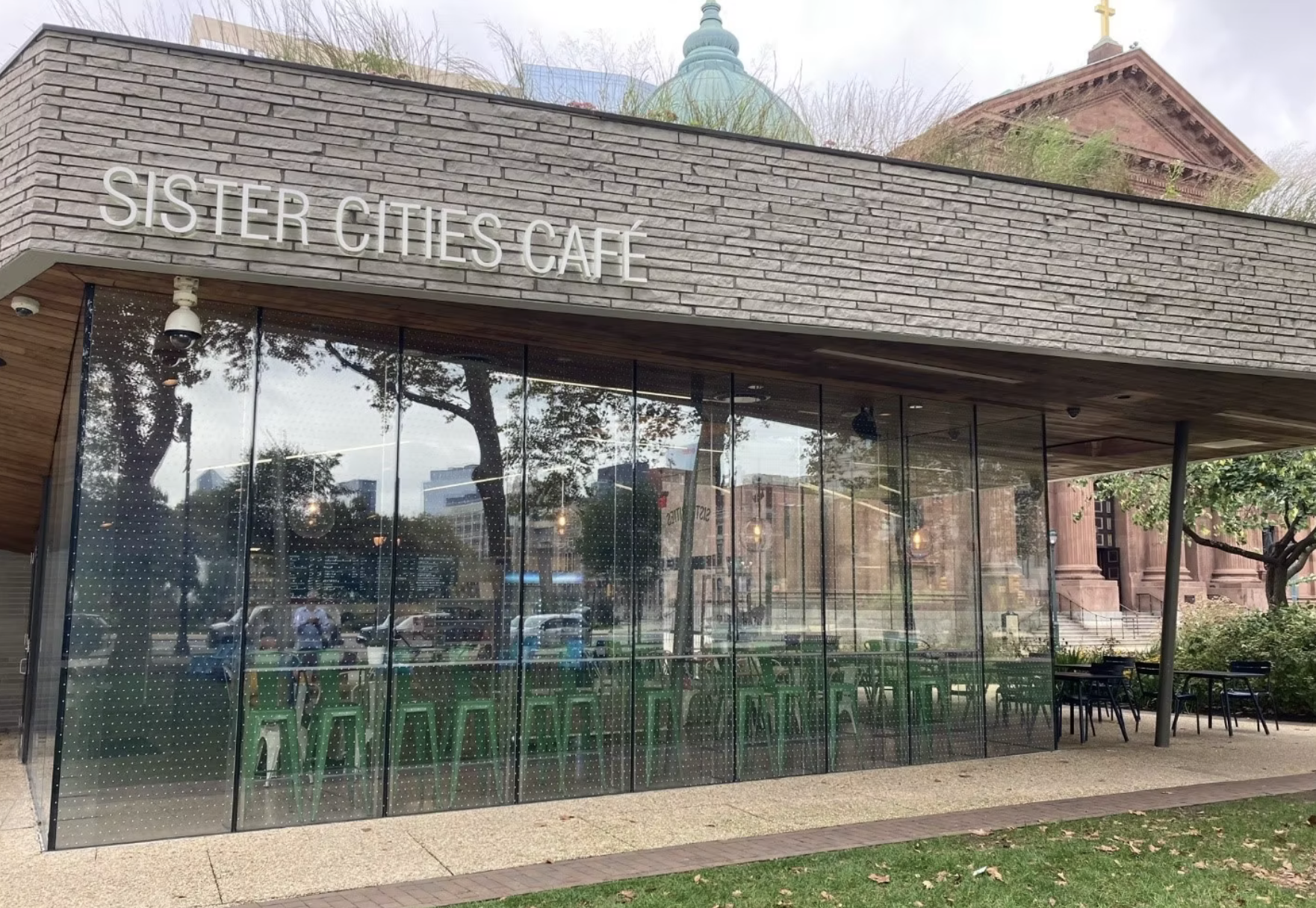
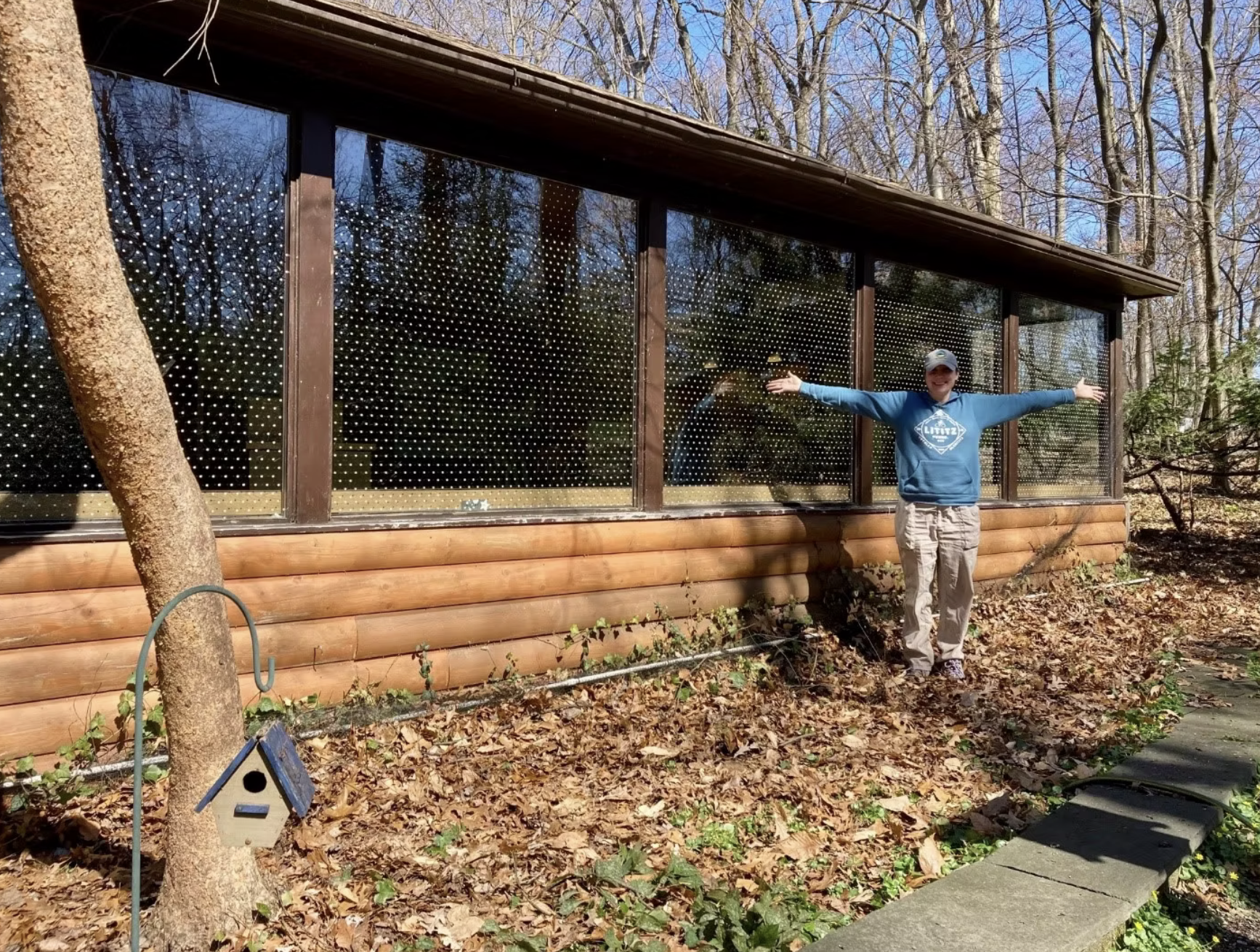
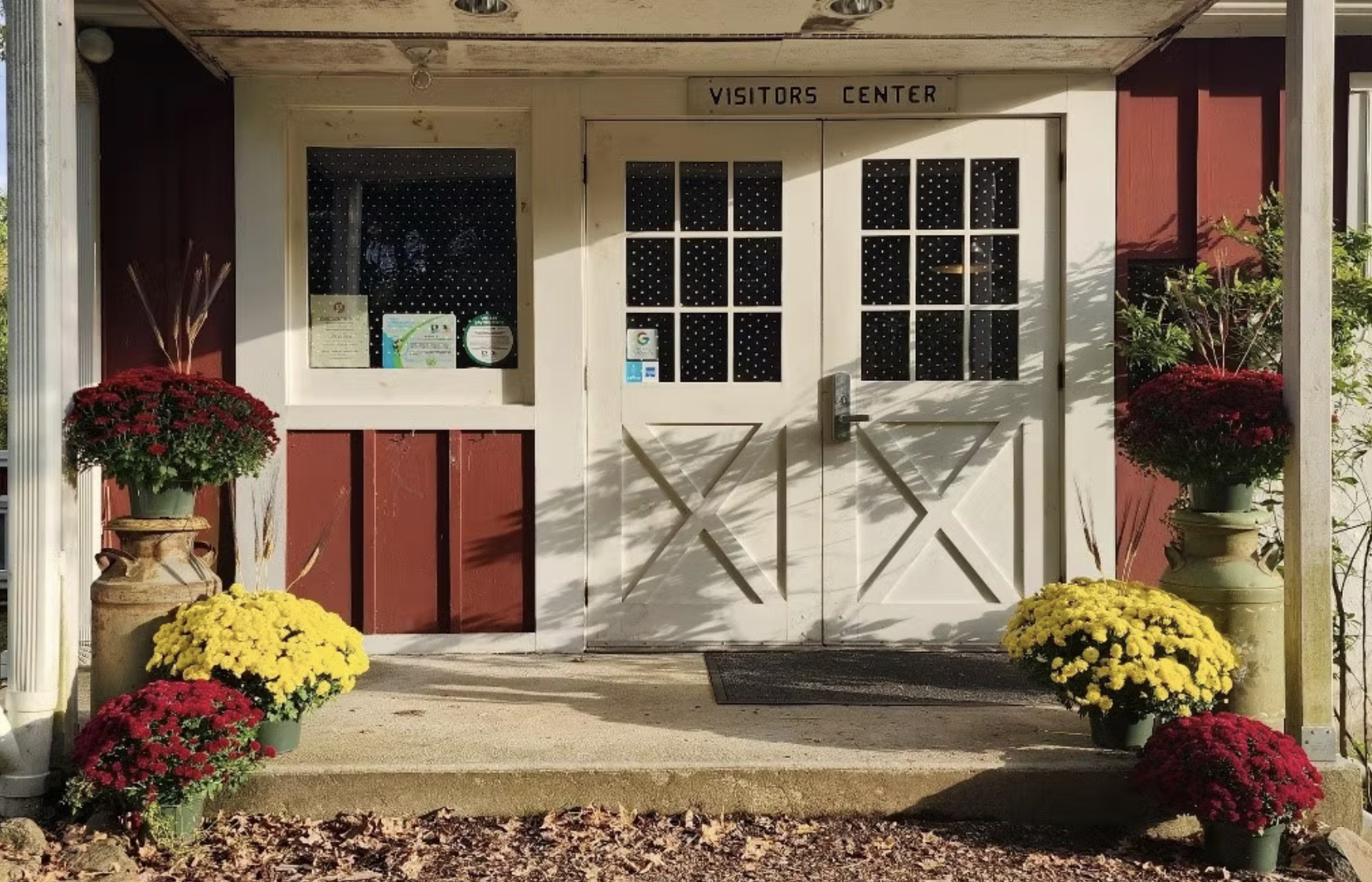
Photos: 1. Three Sisters Cafe, 2. Briar Bush Nature Center, 3. Pennypack Ecological Trust / BirdSafePhilly.org
The next step is to identify buildings with large glass windows and panels and advocate for bird-friendly treatments. A library, a nature center, a church, or a school would be an ideal starting point — not only because these are high-impact buildings, but because retrofitting them raises awareness about both the problem and the solution at the same time.
There are excellent resources available for those looking to build bird-safe communities. Check out Bird Town Pennsylvania or BirdSafePhilly.
Let us start from the home front, one window at a time. Then, talk to your municipality/township supervisors, your workplace facility managers, your local library, the neighborhood school or college. We need to help these birds avoid glass windows. We can’t ignore 1.28 billion bird collisions a year.
And, if you live in Doylestown, you can be community volunteer in Bird Safe Doylestown bird monitoring program. Please register here for a volunteer opportunity.
