

Welcome Hummingbirds Back to Your Garden
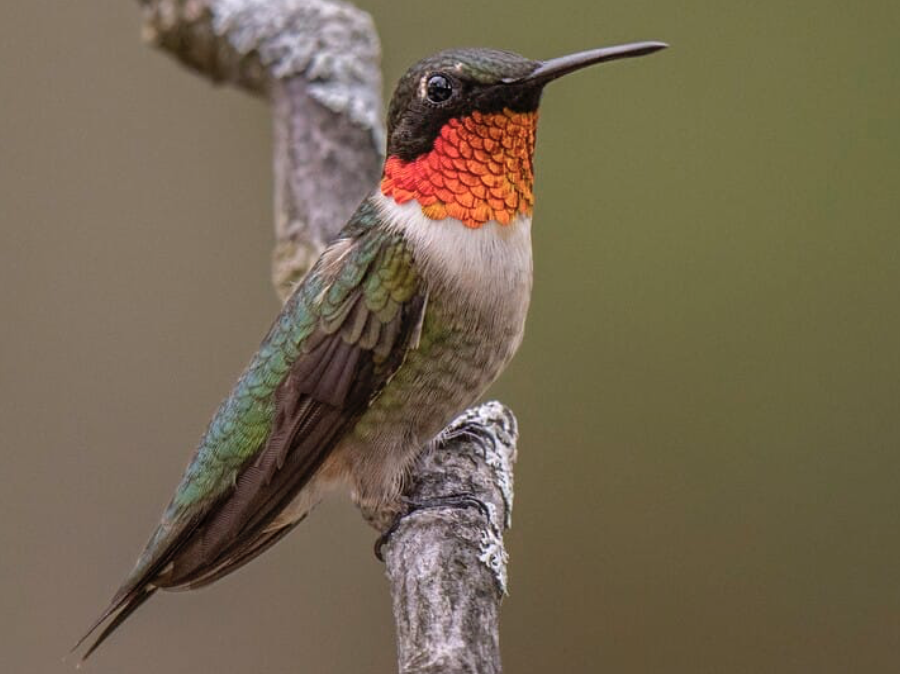
Photo: Brian Kulvete / Macaulay Library @ Cornell Lab
Author: Susan Harrison
Ruby-throated hummingbird migration has started from their overwintering grounds in Central America and they are beginning their journey north to breed. Will your garden be ready to welcome them?
According to the National Audubon Society, Ruby-throated hummingbirds start their migration now, the males arrive up to a half a month before the females. The males will scout out the perfect area, looking for a garden to call home and raise a family.
What will the hummingbirds be looking for as they head north to check out your garden in the spring?
Before our native plants bloom, consider hanging out a hummingbird feeder in April before the hummingbirds arrive to attract the first migrating ones to stay in your yard and nest instead of them continuing on to look for a more suitable habitat. A few of us internal optimists will hang out our feeders even sooner.
As our native plants begin to bloom you can keep your feeder up if desired but make sure they are cleaned frequently. Fungus or mold growing in a hummingbird feeder can be deadly to our hummingbirds, it causes an infection which can cause their tongue to swell and prevent them from feeding, leading to starvation.
Homemade nectar is always the best, do not use red dye. Use one quarter cup white sugar to one cup of water, and change the nectar mixture often (2-4 days on average; if it looks cloudy and signs of black mold, dump it completely and clean the feeder immediately).
To clean, use one part of bleach to nine parts water. Scrub the feeder and let it dry thoroughly.
Some native plants suggestions to provide nectar for hummingbirds would be -
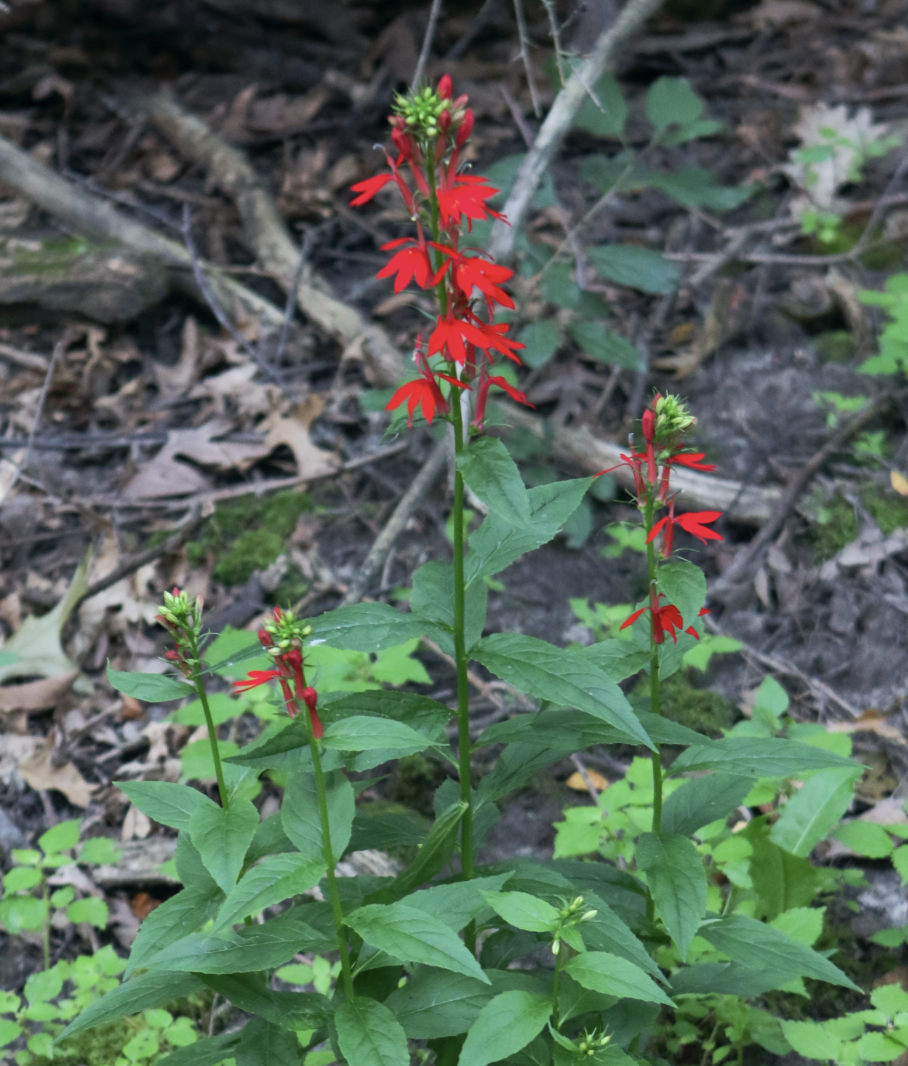
Cardinal flower Lobelia cardinalis
a Native perennial plant widely distributed across North America.
Photo: Wikipedia
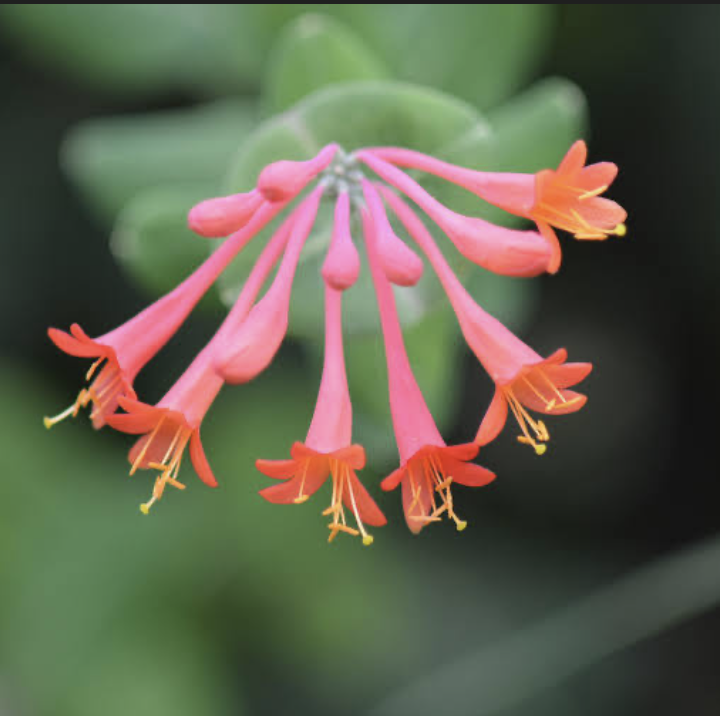
Coral honeysuckle Lonicera sempervirens
also hosts the Snowberry Clearwing Moth and Spring Azure Butterfly.
Photo: Florida Museum of Natural History
In addition, our native milkweed - Butterfly weed Asclepias tuberosa is also a host plant for the Monarch butterflies to lay their eggs and feed their young monarch butterfly caterpillars.
Audubon offers a database to research native plants in our area. Keep in mind hummingbirds are attracted to the color red and prefer tubular shaped flowers such as Bee Balm Monarda didyma. You can find a data base for native plants at this link: https://www.audubon.org/native-plants
60 to 80% of a hummingbird's diet is small insects such as gnats, aphids, and spiders. By having an ecologically balanced garden full of native plants, and refraining from using pesticides, you can significantly increase the chances of nesting hummingbirds in your yard this summer.
In addition to our expected hummingbird species the Ruby-throated hummingbird, also keep watching for some unusual species to show up such as the Black-chinned hummingbird, Rufous hummingbird, Allen's hummingbird, and Anna's hummingbird.
Track the migrated Ruby-throated hummingbirds progress at Journey North migration Maps https://share.google/5YSzidZkyq673Ez7a
