

A Portal to Paradise
Southeast Arizona Birding Part 1
Author: Vin Pannerselvam
Pictures: Christopher Plummer, Carol Fitzpatrick, Sethu Manickavel & Vin Pannerselvam
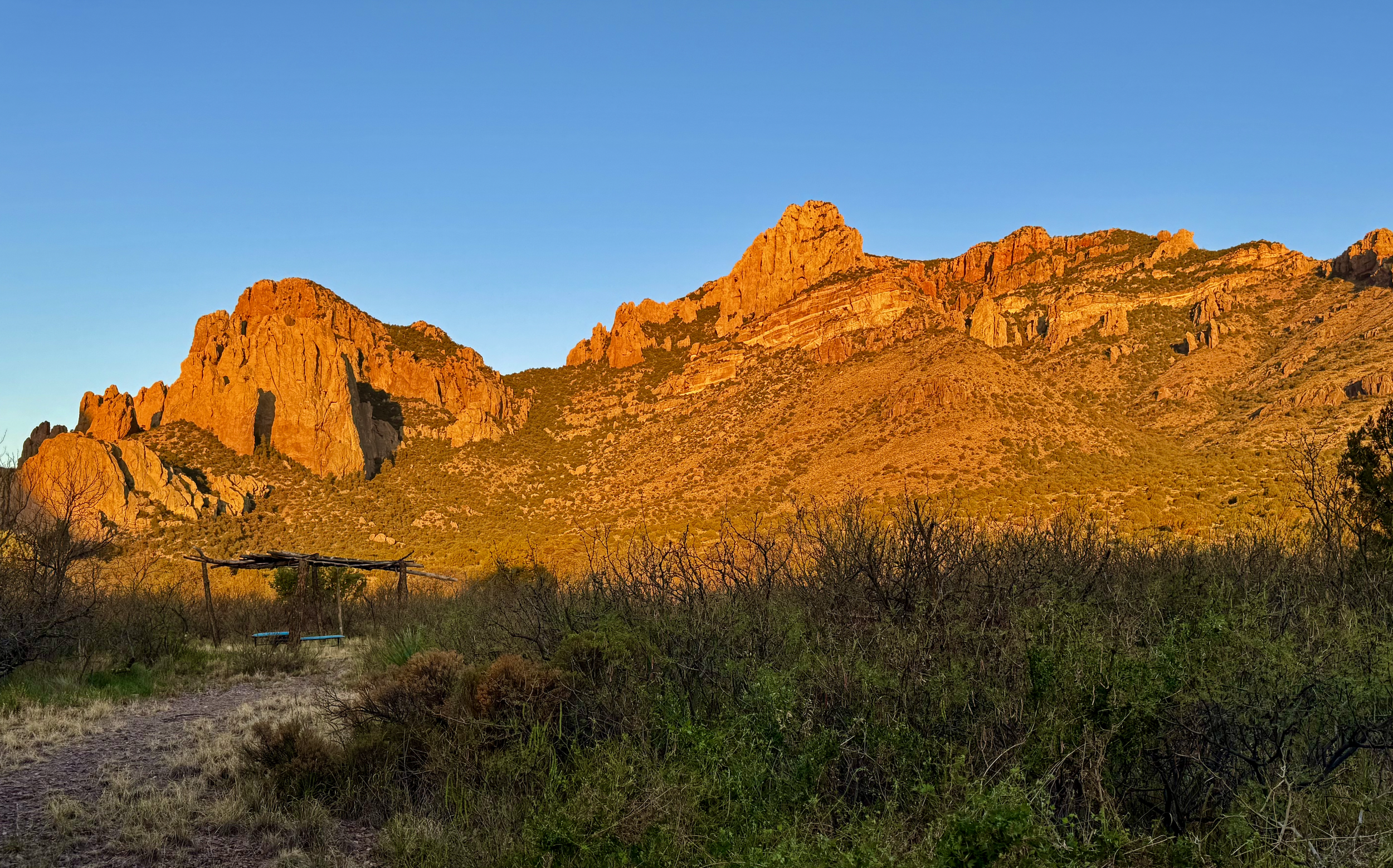
The majestic view of Chiricahua Mountains from Cave Creek Canyon
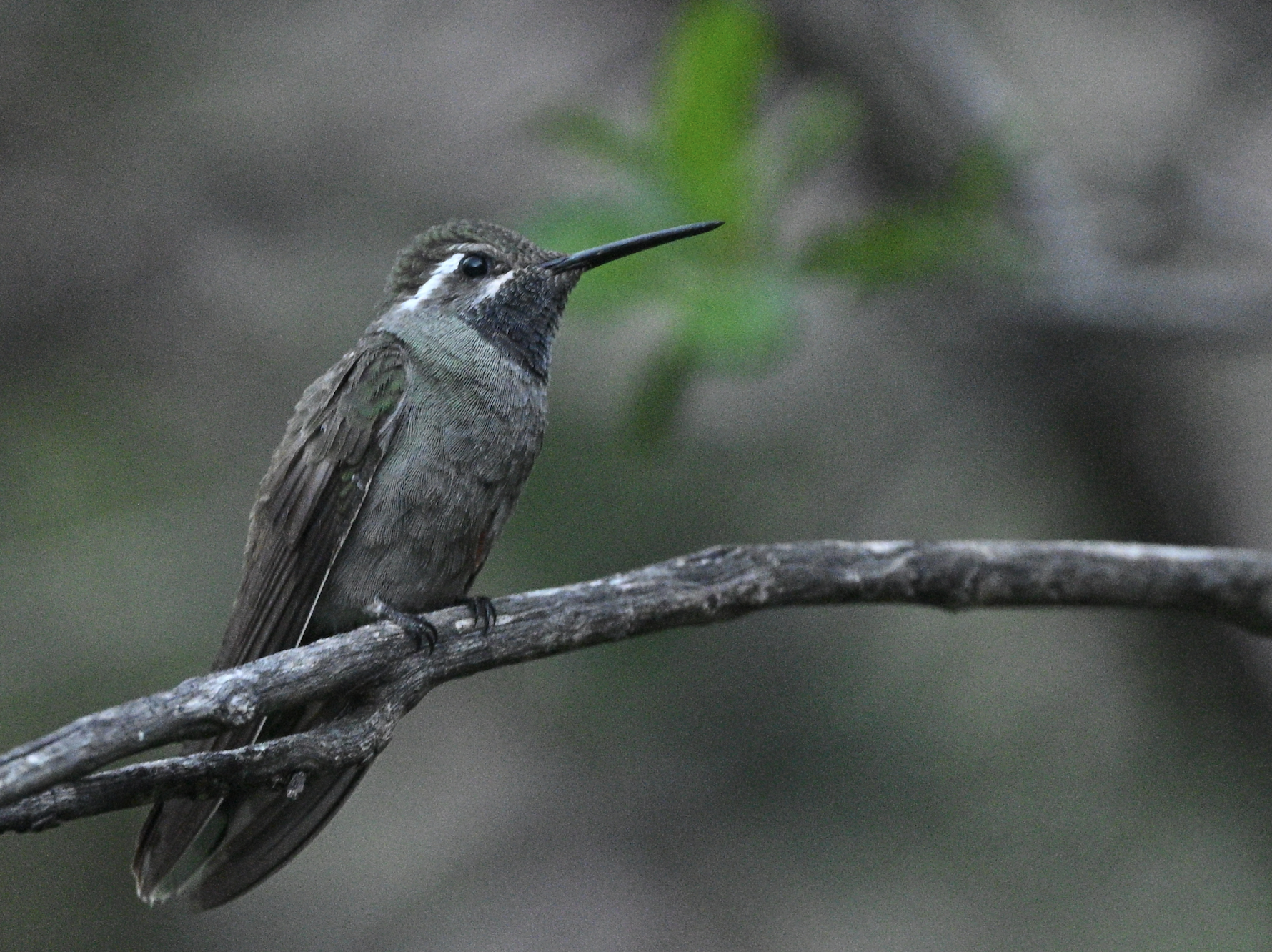
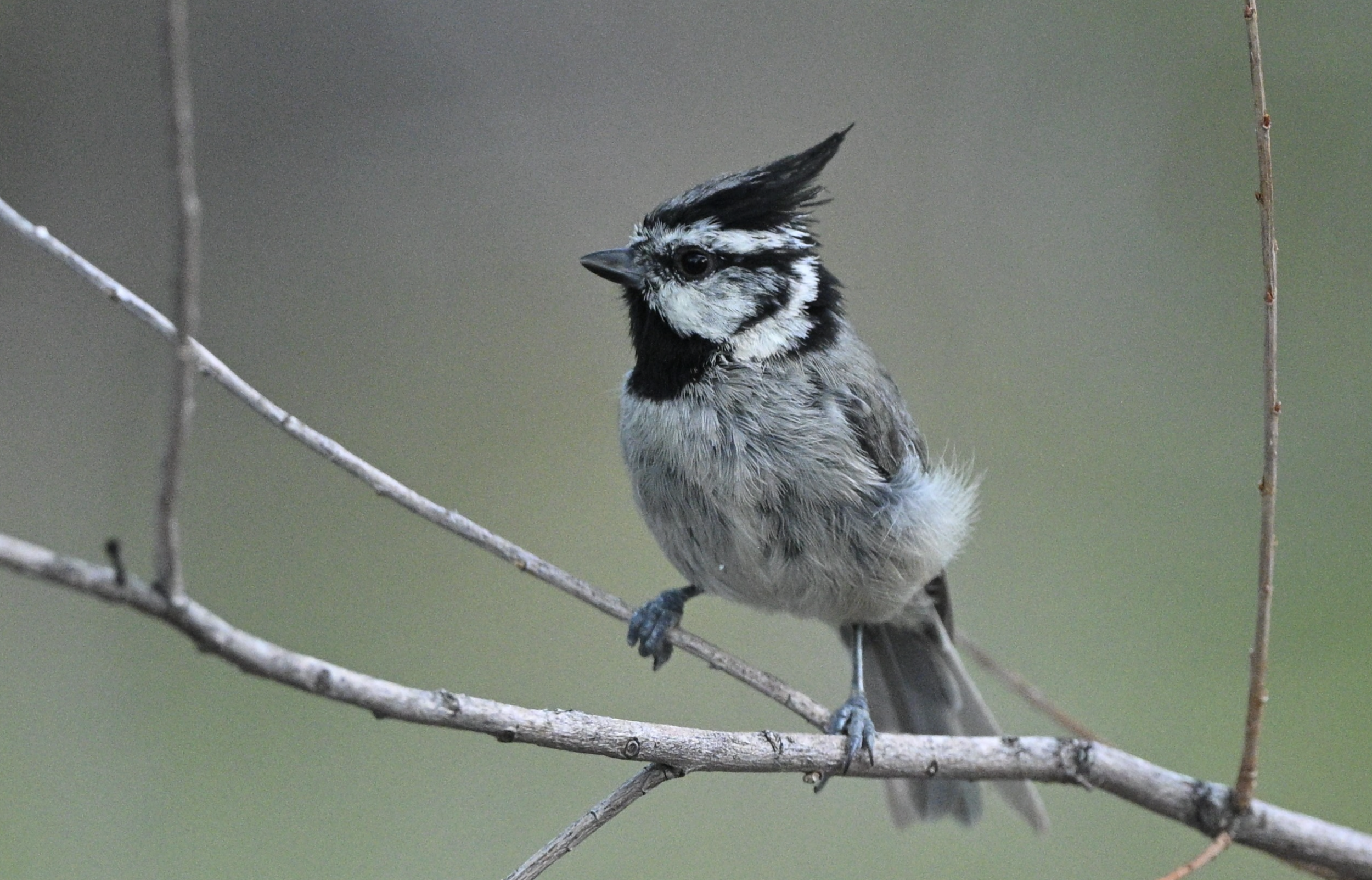
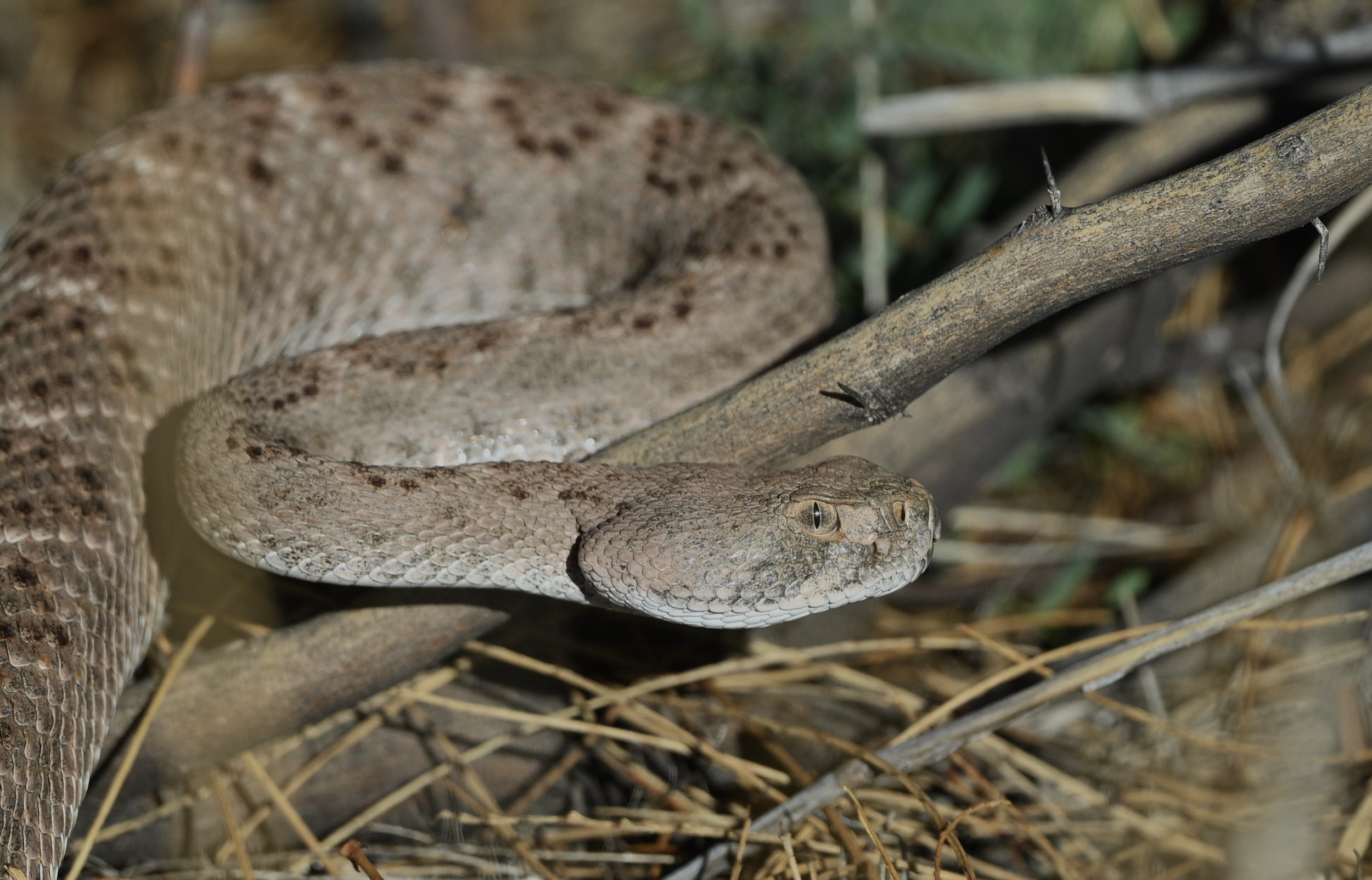
Some places stick with you. Portal, AZ is one such magical place. Tucked between two ridges of the Chiricahua Mountains in the southeast corner of Arizona, just a few miles from the New Mexico line, Portal has a way of slowing you down the moment you arrive. Sip your coffee in the morning, watching the sun hit the peaks while a golden eagle and turkey vultures start their ritual ride out over the desert valley, and you may find yourself closer to a blue-throated mountain-gem busy collecting nectar and bridled titmice taking a bath in a creek puddle. Wander a few steps into the desert and you're welcomed by a chorus of cactus wrens and western tanagers, a gang of band-tailed pigeons lined up on the wire. To keep you humble, a rattlesnake might be sunning itself on the trail. This place will transport you into another world almost instantly.
It's easy to see why birders, naturalists, hikers, campers, and scientists all end up fixated on the Chiricahuas — and on Portal specifically. The place is steeped in history. People were hunting megafauna here during the ice age, and the Mogollon people had farming and hunting roots in the area as far back as 500–1200 AD. Later, the Chiricahua Apache — under Cochise — called these mountains home until they were forced onto the San Carlos Reservation in 1876. After that, Anglo settlers, ranchers, loggers, and miners moved in chasing gold and silver in the surrounding towns. These days, Portal has traded mining picks for binoculars — it's a birding hotspot and a dark-sky haven for astronomers, and it's home to the American Museum of Natural History's Southwestern Research Station.
How We Got There
The plan came together on a November Saturday morning, the kind where you need something to look forward to. Carol and I were sitting in the Churchville nature center after a rough election week, and we decided: Southeast Arizona. I got put in charge of the itinerary. Chris and Sethu signed on too. Bob Mercer, who'd made the trip a year earlier, handed over his notes and a list of can't-miss hotspots (word on the street is the "Listers" crew had visited that same year Bob visited). We settled on August — monsoon season, when the desert blooms and the birds show up in force.
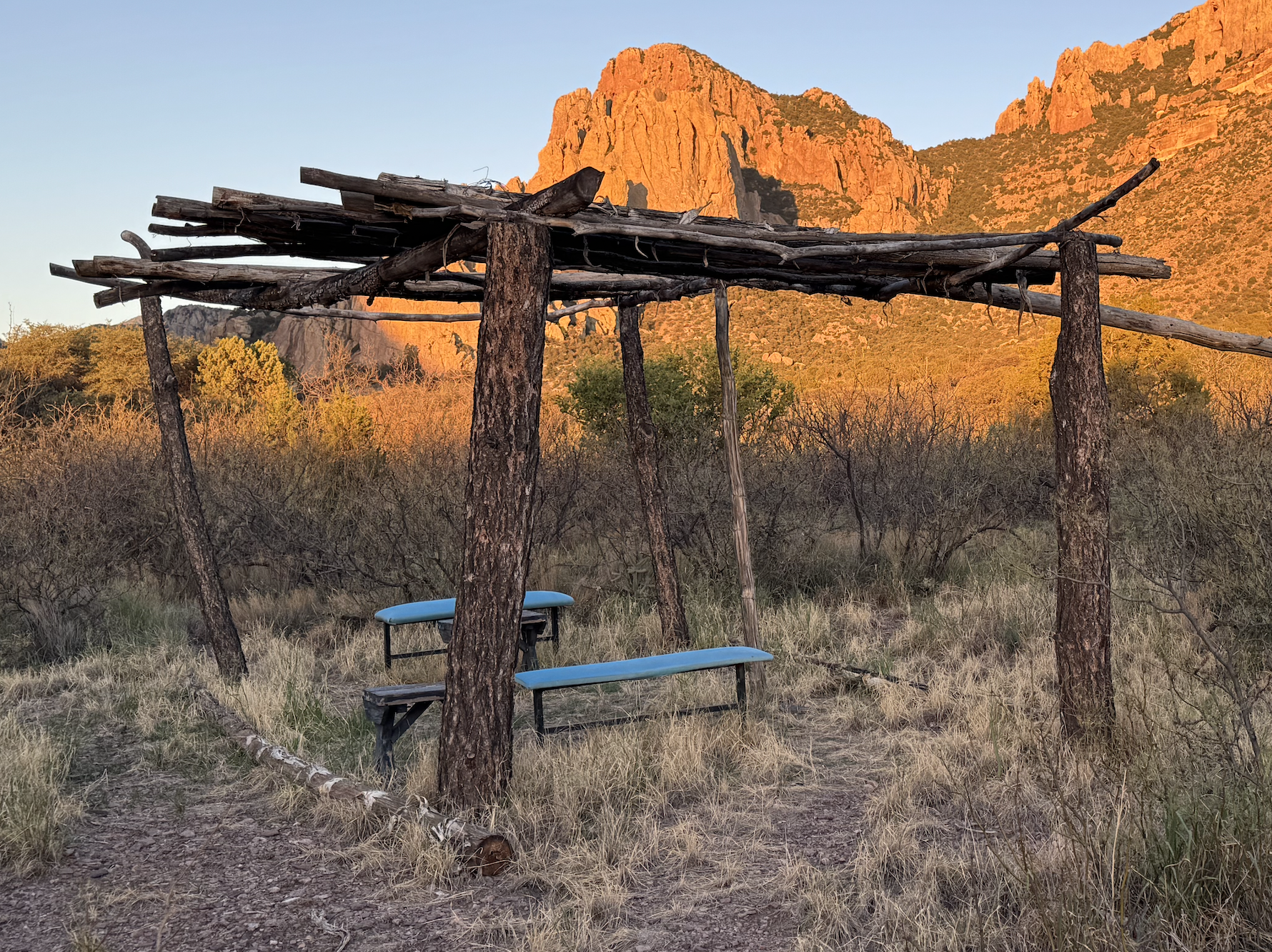
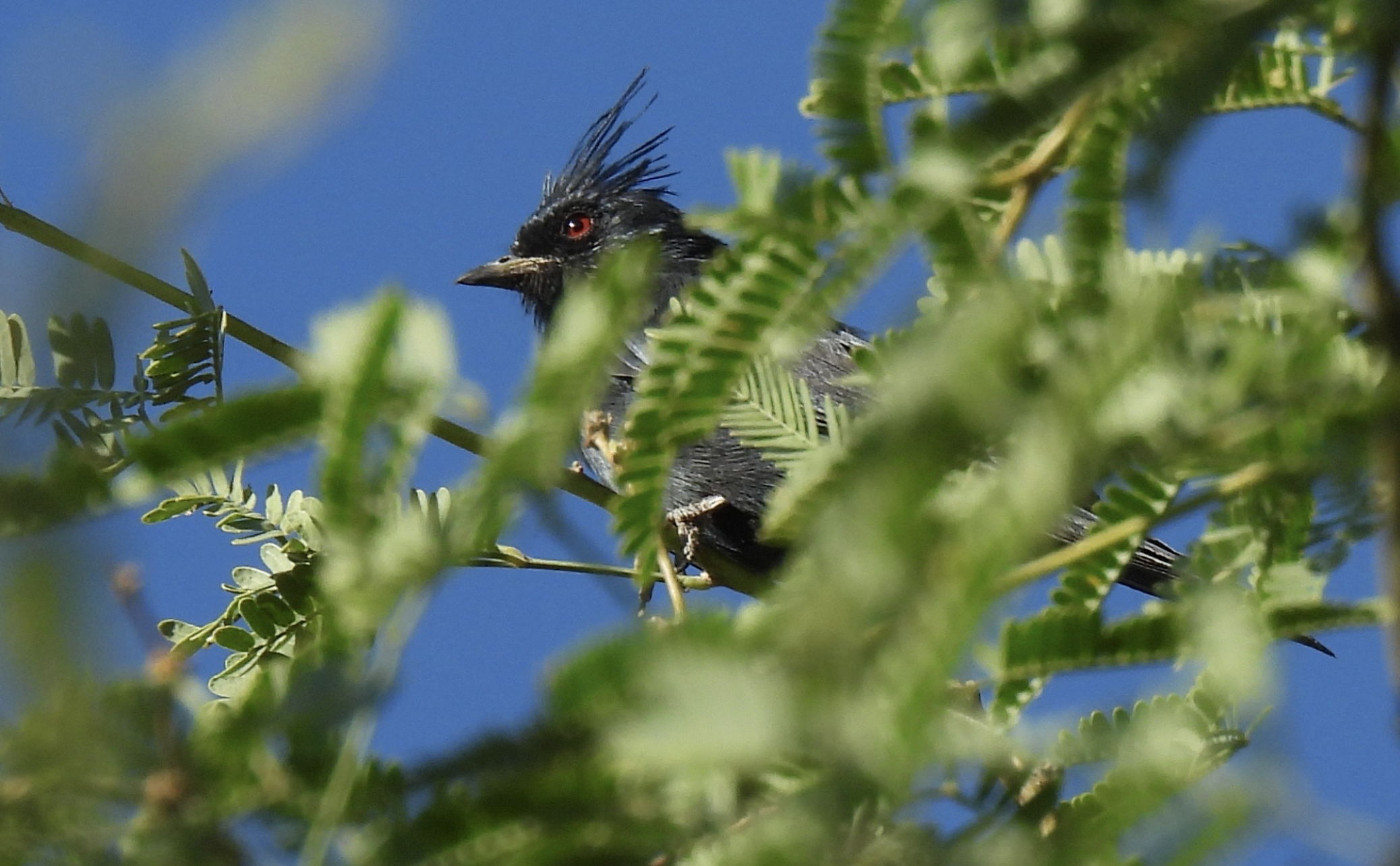
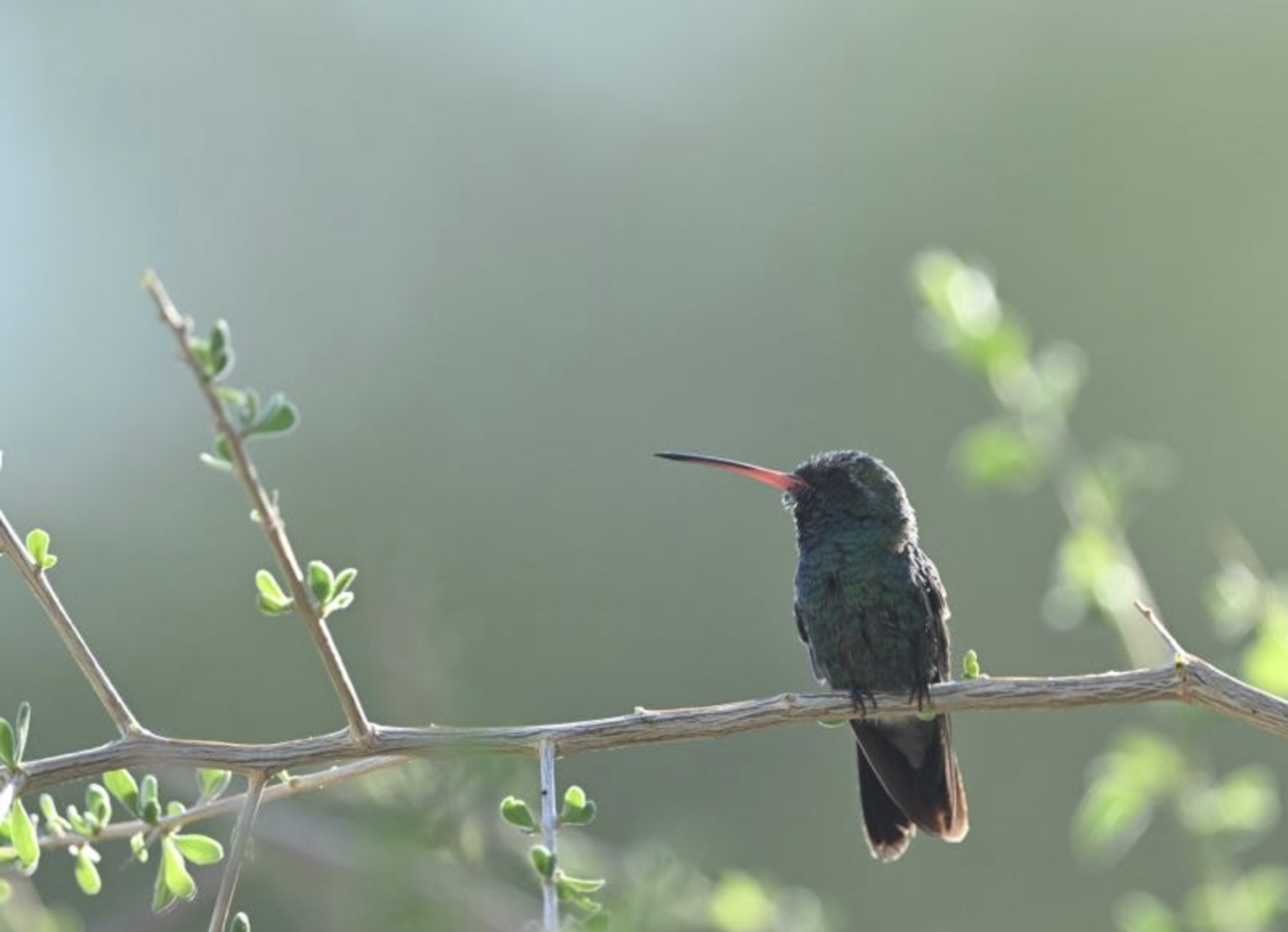
Day one started with a quick morning walk before we headed to Cave Creek Ranch in Portal. We stopped at Desert Meadows Park, a little community-maintained garden next to a housing development that turned out to be surprisingly loaded with birds — 27 Gambel's quail across a few families, a handful of hummingbird species, Gila Woodpeckers, Gilded Flickers, Canyon and Abert's Towhees, and a few more lifers to boot. Chris went a little camera-happy on a Phainopepla.
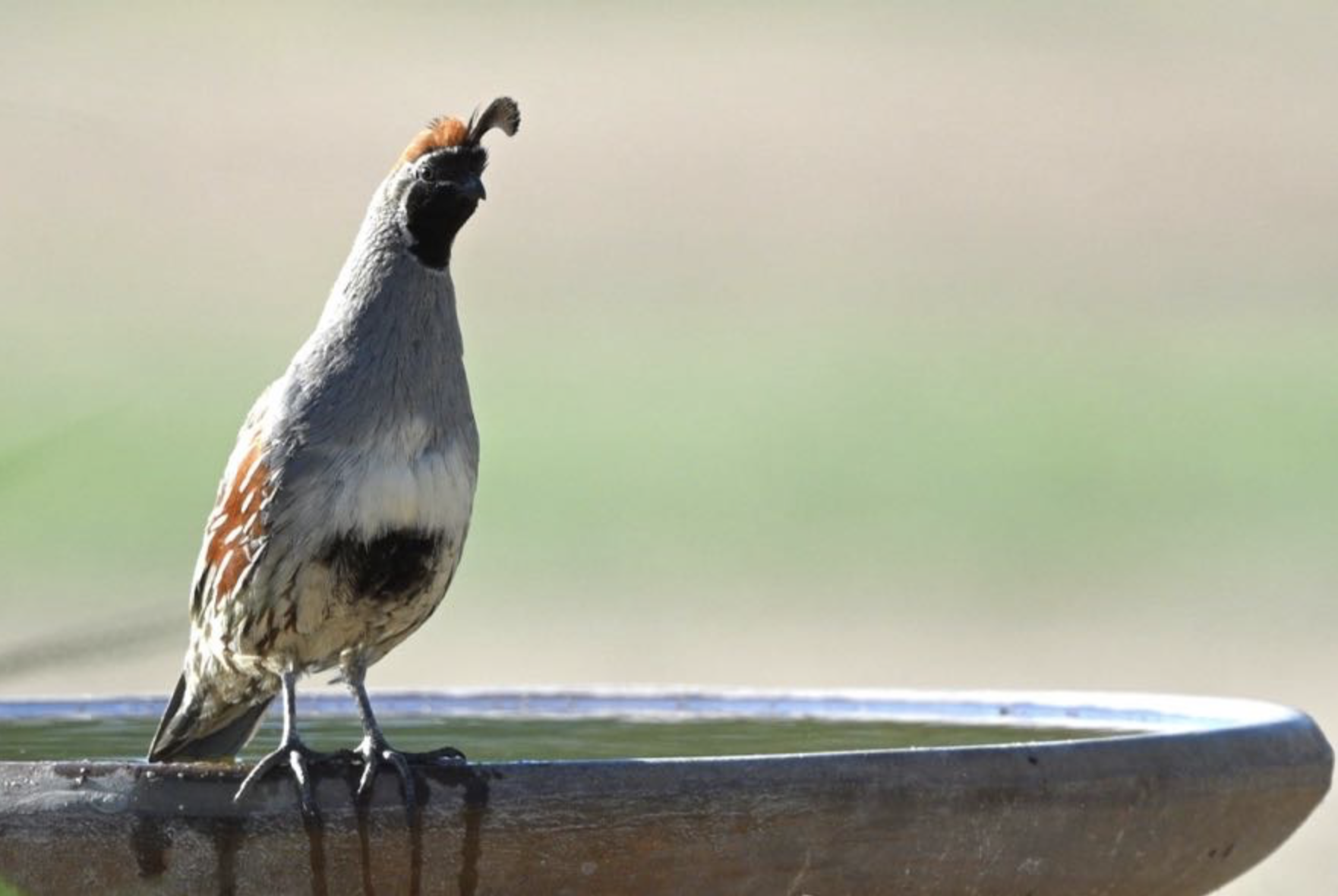
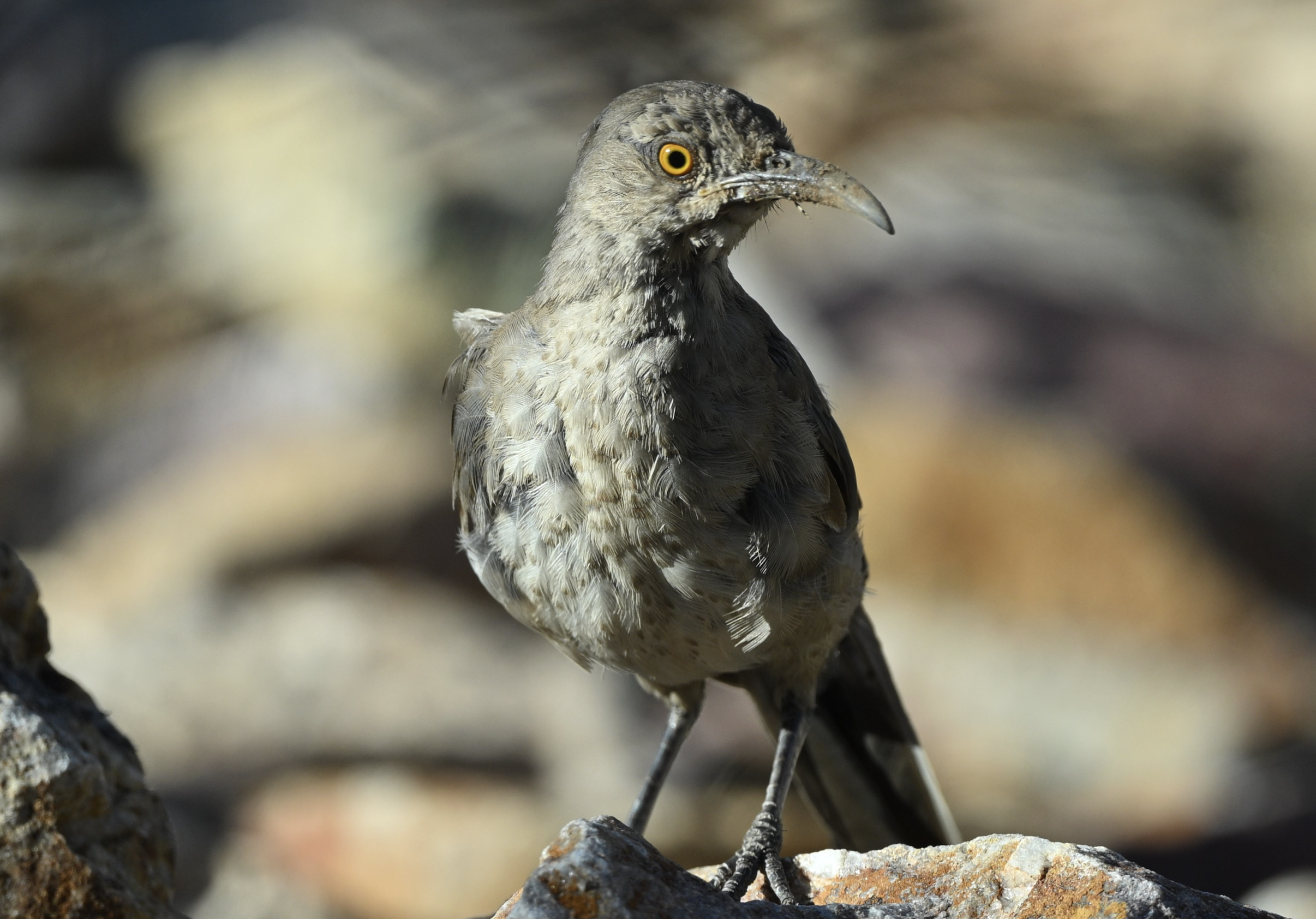
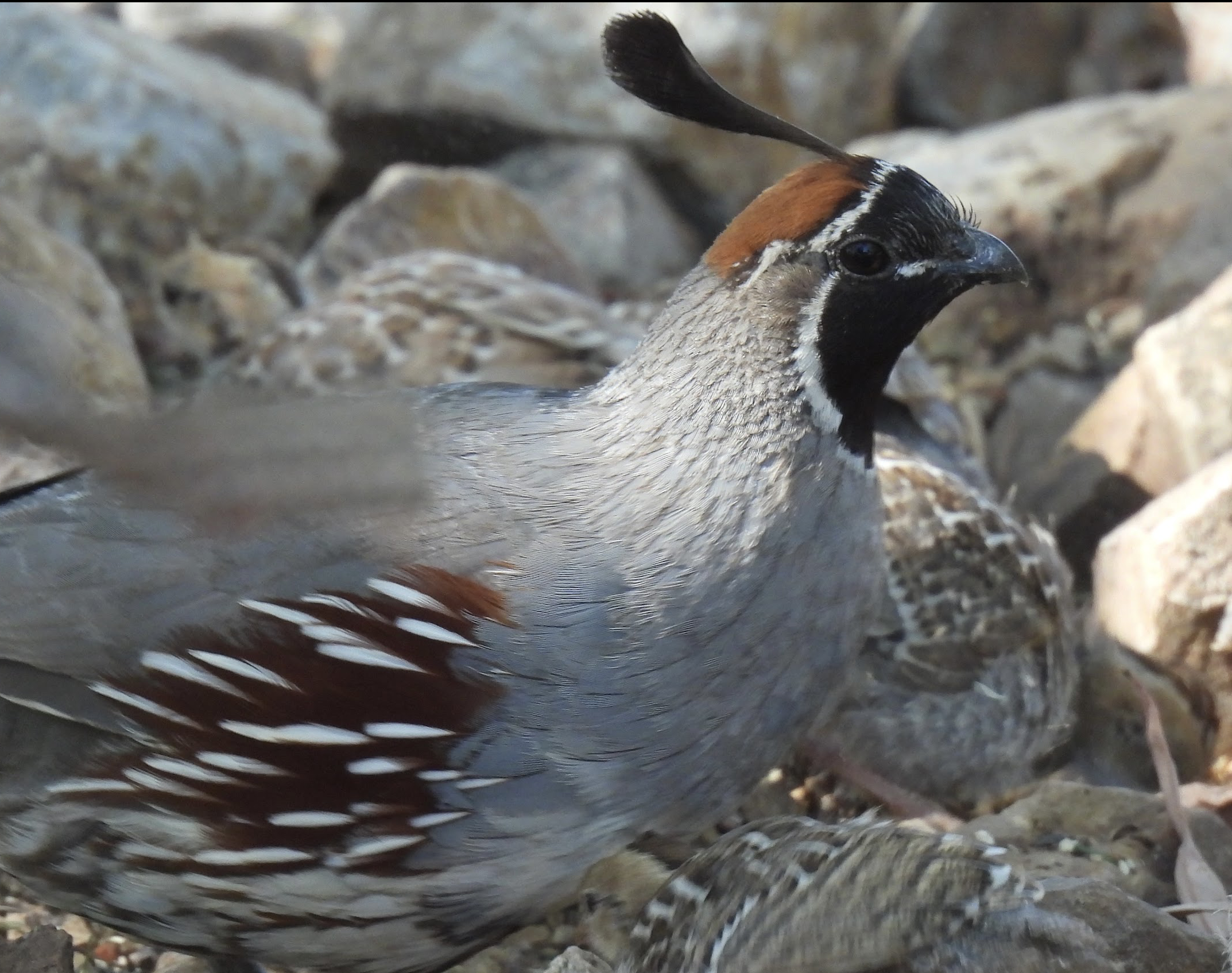
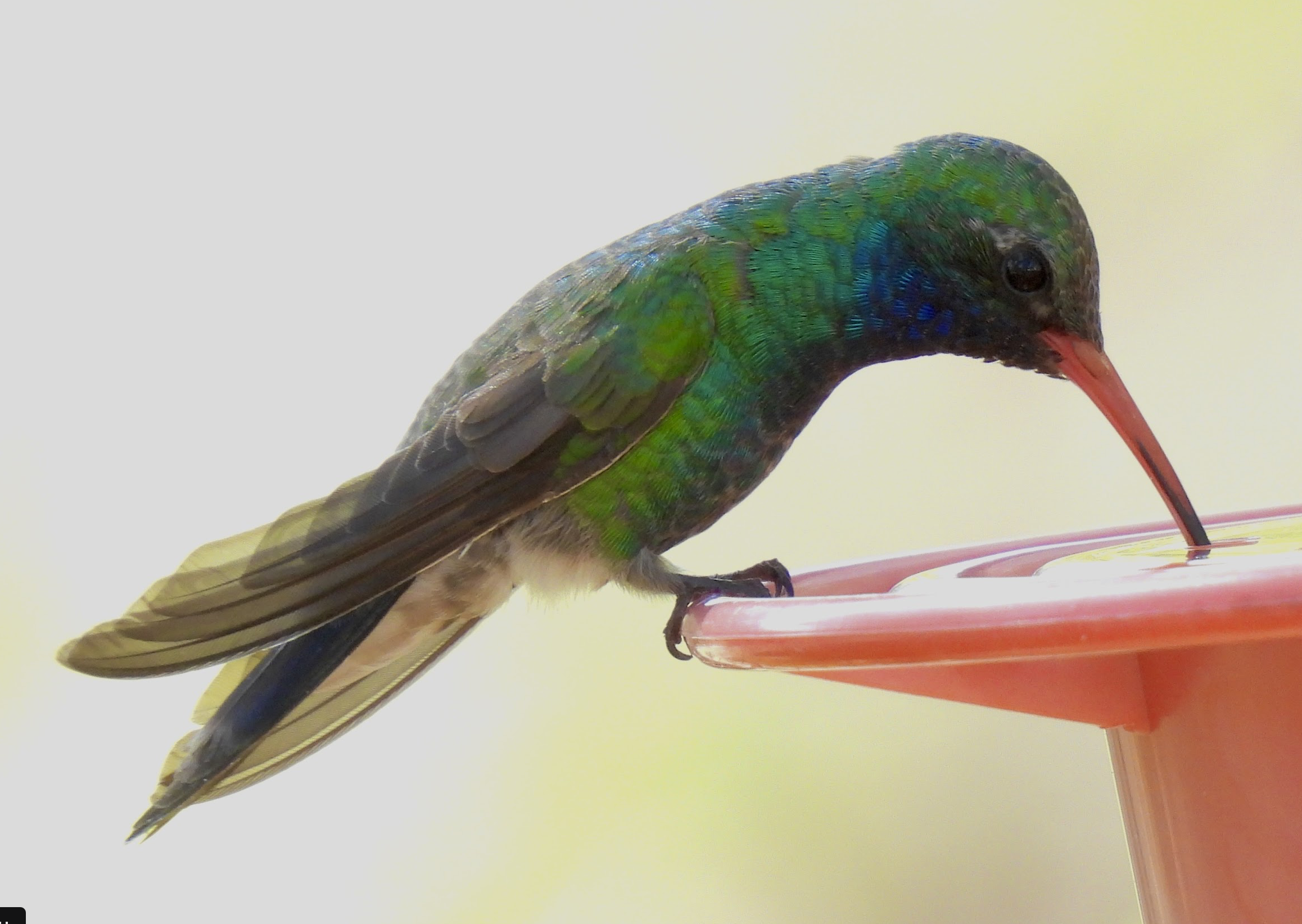
The drive from Tucson took just over three hours, including a grocery run for the week (Portal has zero grocery stores, so plan ahead) and lunch near Benson. The Safeway parking lot gave us Chihuahuan Ravens, which felt like a good omen. Then came two hours of pretty uneventful desert driving in the August heat — until Sethu spotted a billboard, in English and Punjabi(!), promising truckers the "best" Indian food around. Google said 2.5 stars. We stopped anyway, for masala chai and a bathroom break. Walking out of the gas station, two Harris's Hawks were circling overhead. The 2.5-star masala chai tasted better.
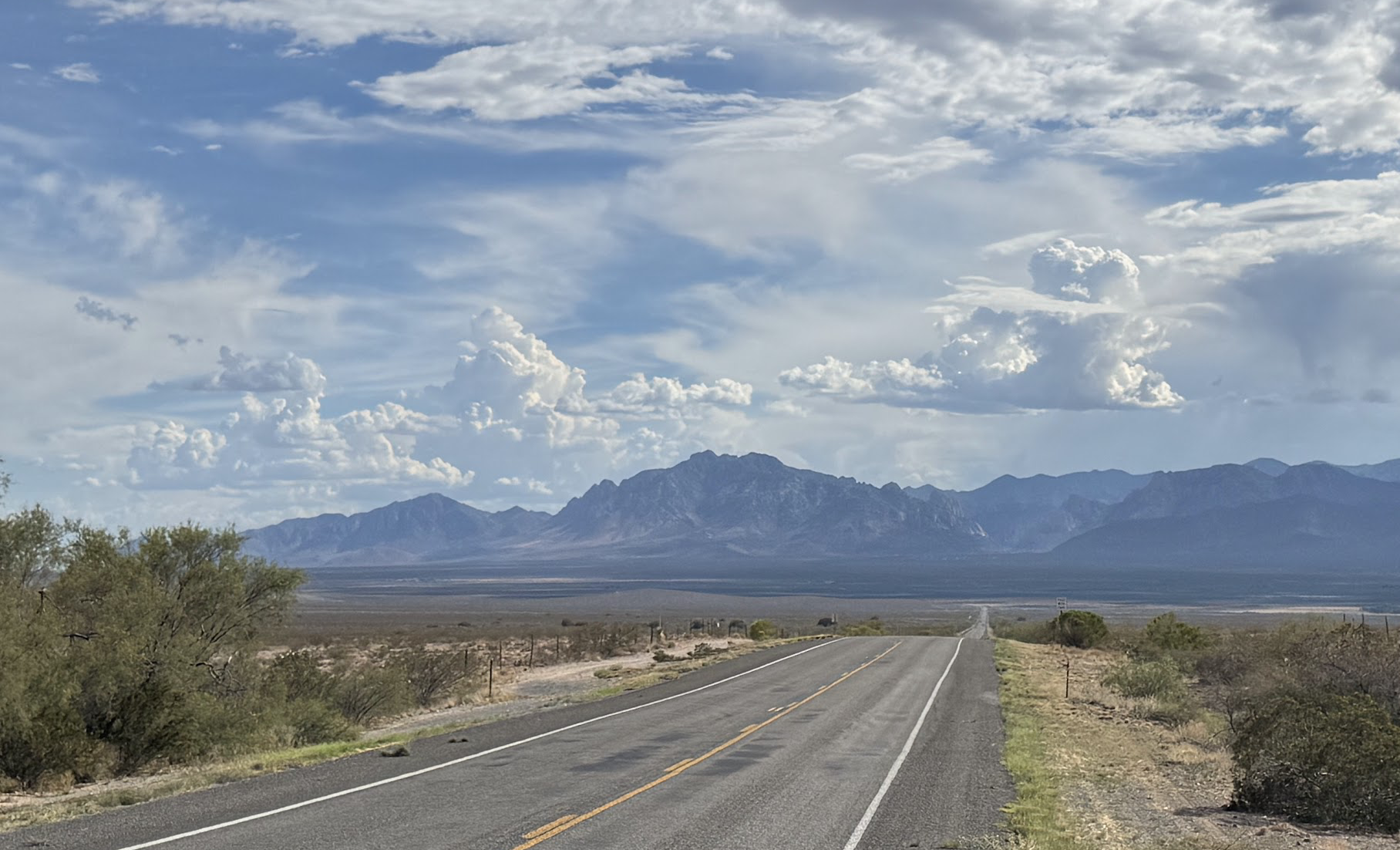
Road to Portal from New Mexico border
About 40 minutes from the ranch, we crossed into New Mexico near Rodeo. The drive turned a bit cinematic — a long, straight road cutting through open desert, the land rolling gently toward the Chiricahua peaks, not another car in sight in either direction. A thunderstorm was building in the distance, lightning striking somewhere below a lone cloud suspended in an otherwise empty sky, like a painting that happened to be moving. We pulled over just to take it in. That's when Chris noticed something shuffling in the bushes — a pair of Scaled Quail, which turned out to be the only ones we'd see the entire trip. That's the thing about birding trips: slow down enough and you never quite know what's waiting for you.
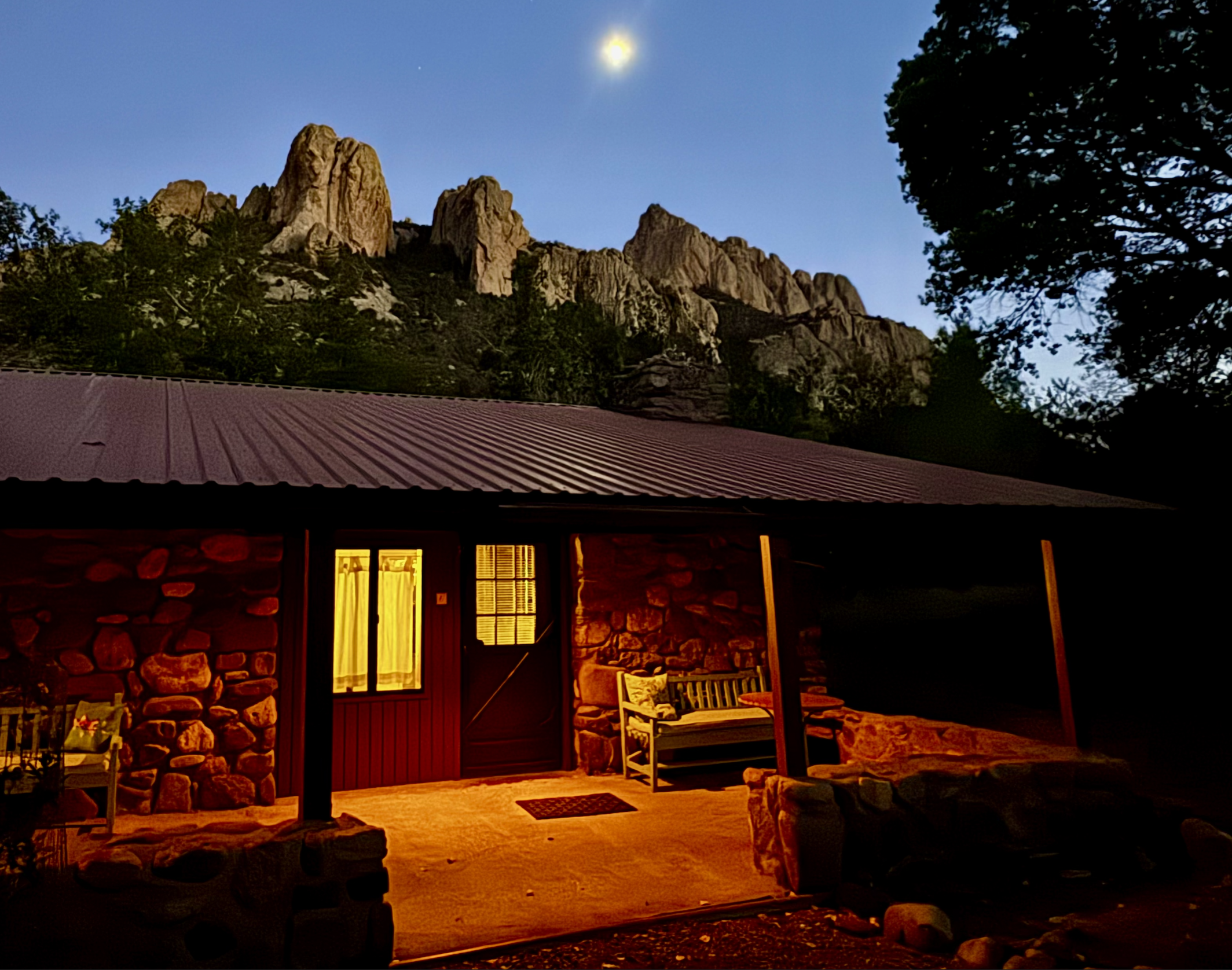
Settling Into Cave Creek Ranch
Cave Creek Ranch sits in Cave Creek Canyon, a couple of miles outside the town of Portal proper, which itself has a post office, a handful of small food spots, and a few places to stay for birders and tourists passing through. The ranch gets booked solid during monsoon season (roughly April through August), but we'd managed to lock down three nights. The sun was dropping behind us as we settled into our cabins — close to a full moon, so the evening sky was doing its best impression of a postcard: purple mountains, silver moonlight, the whole thing.
South Fork and Southwestern Research Station
Our guide for the next couple of days was PD Hulce, who knew the places, the people, and — most importantly — the birds.
First stop: South Fork. This spot in Cave Creek Canyon is basically SE Arizona's answer to Higbee Beach — check the eBird hotspot log and you'll recognize some of birding's biggest names on the list. (Funny trivia: Ezekiel Dobson visited same day and we beat his list # for that spot that day. He posted on my instagram that I got to do that for all of his checklists before I turn 18. Too late bro!). PD had his fingers crossed for an Elegant Trogon (recently renamed Coppery-tailed Trogon in 2026). We were also promised Sulphur-bellied Flycatcher, Painted Redstart, Black-throated Gray Warbler, and Hutton's Vireo. All delivered, except the Trogon!
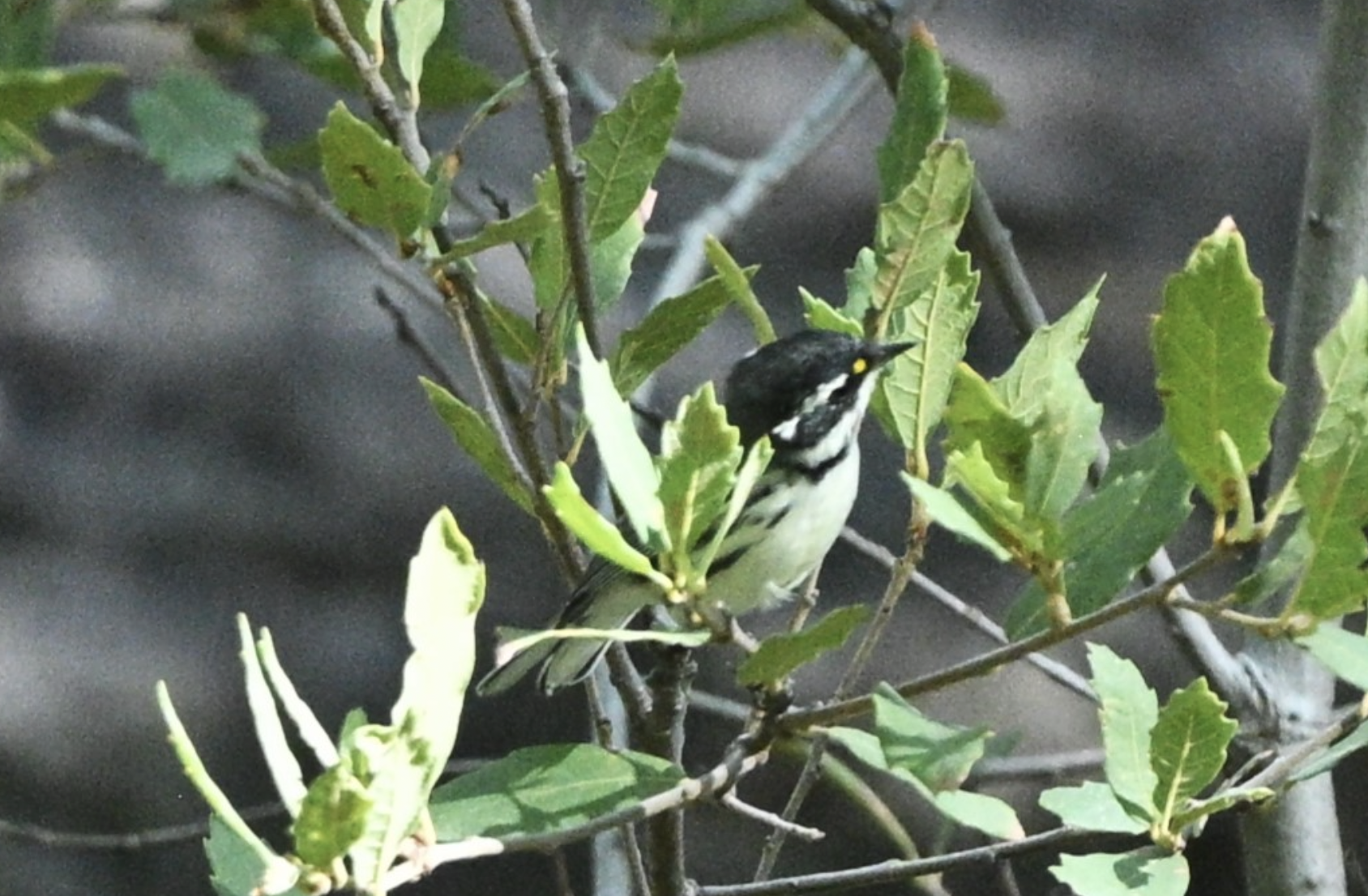
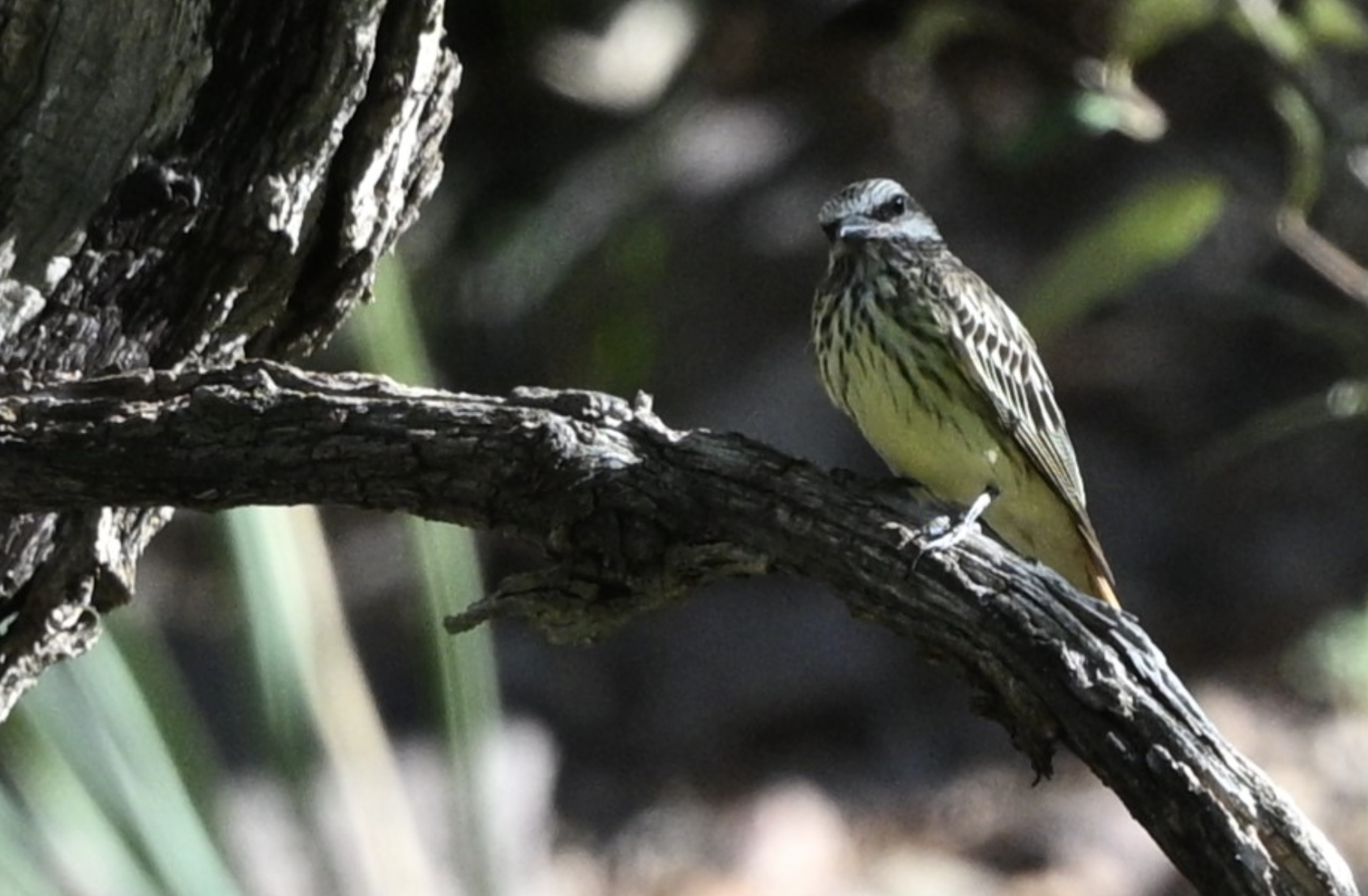
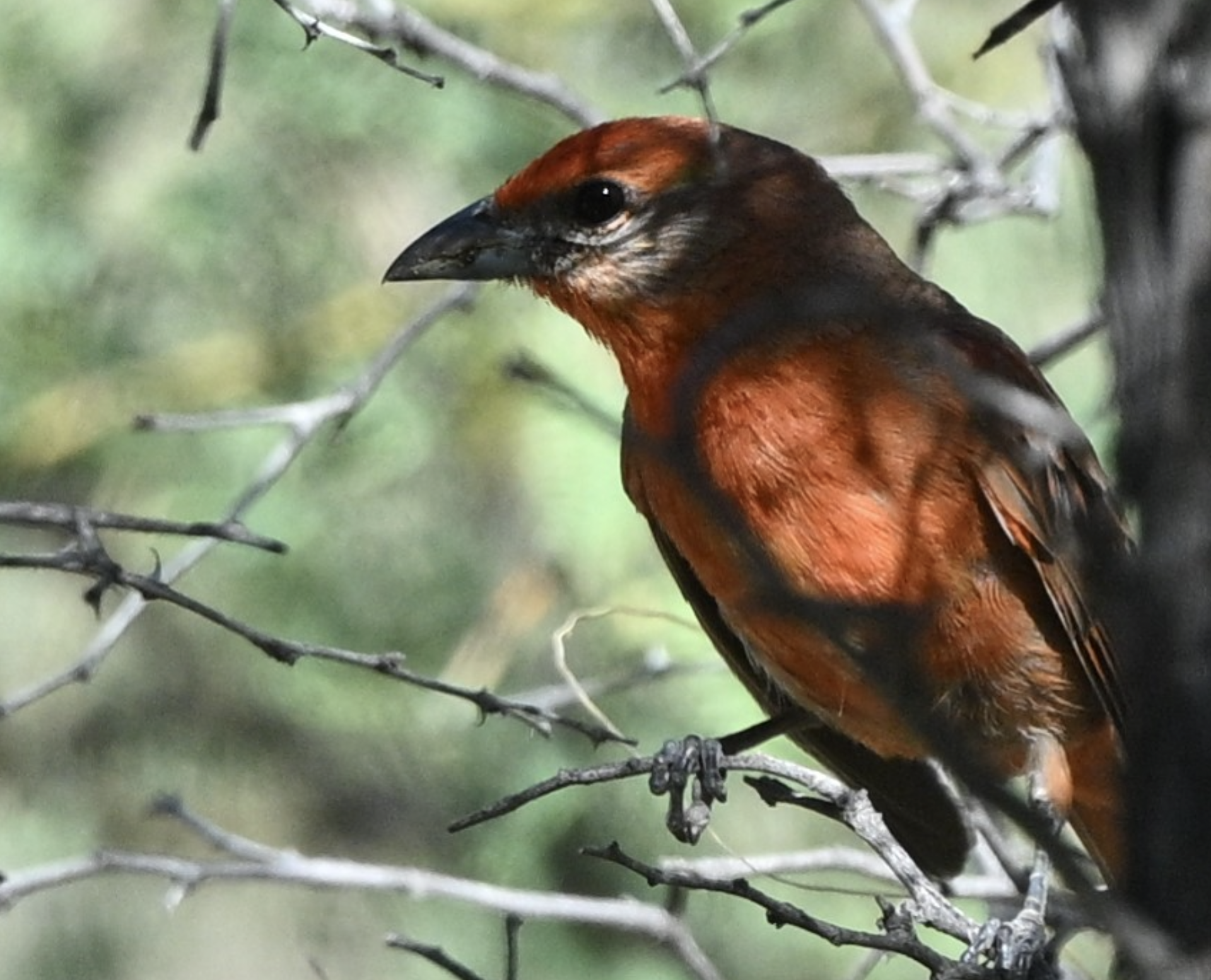
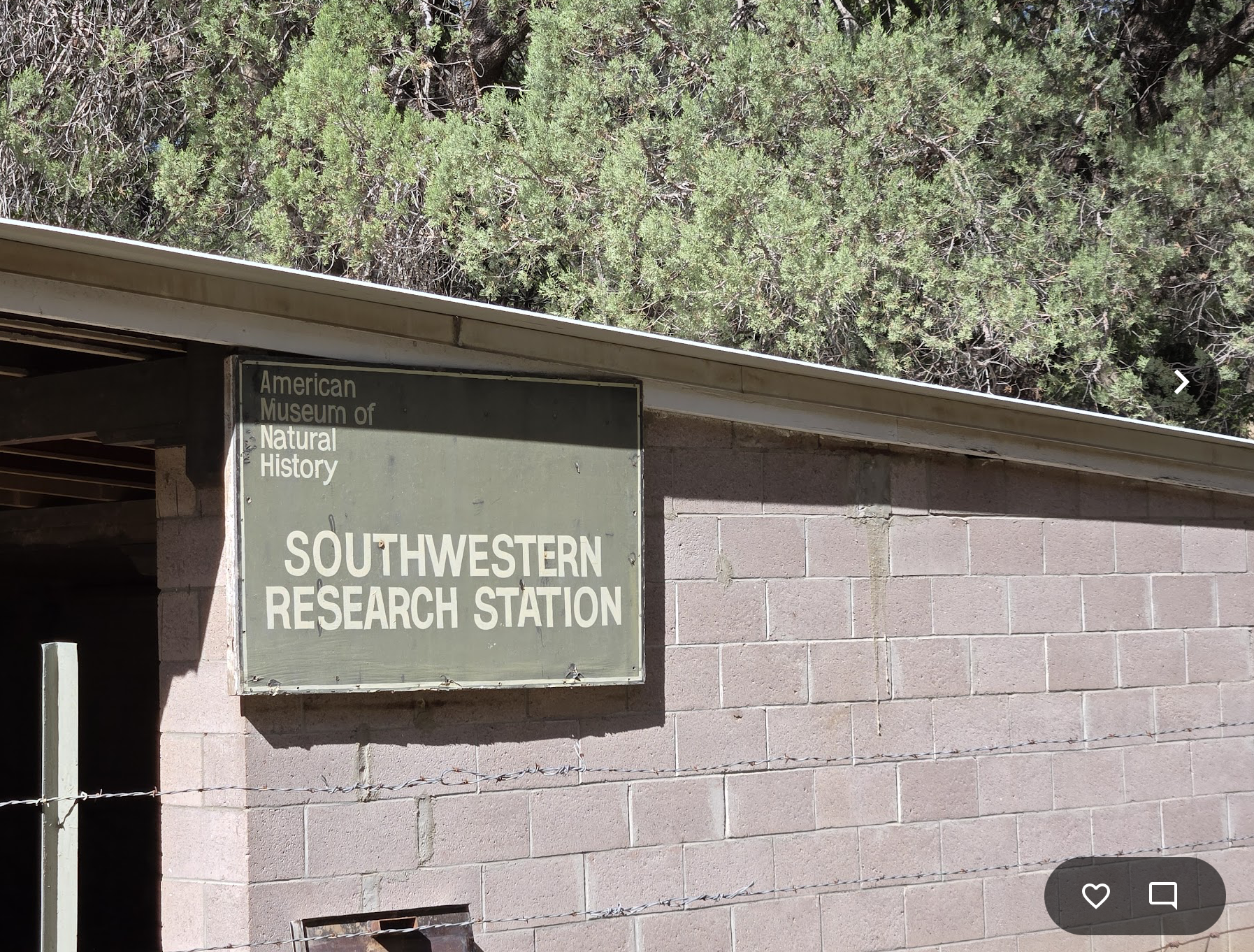
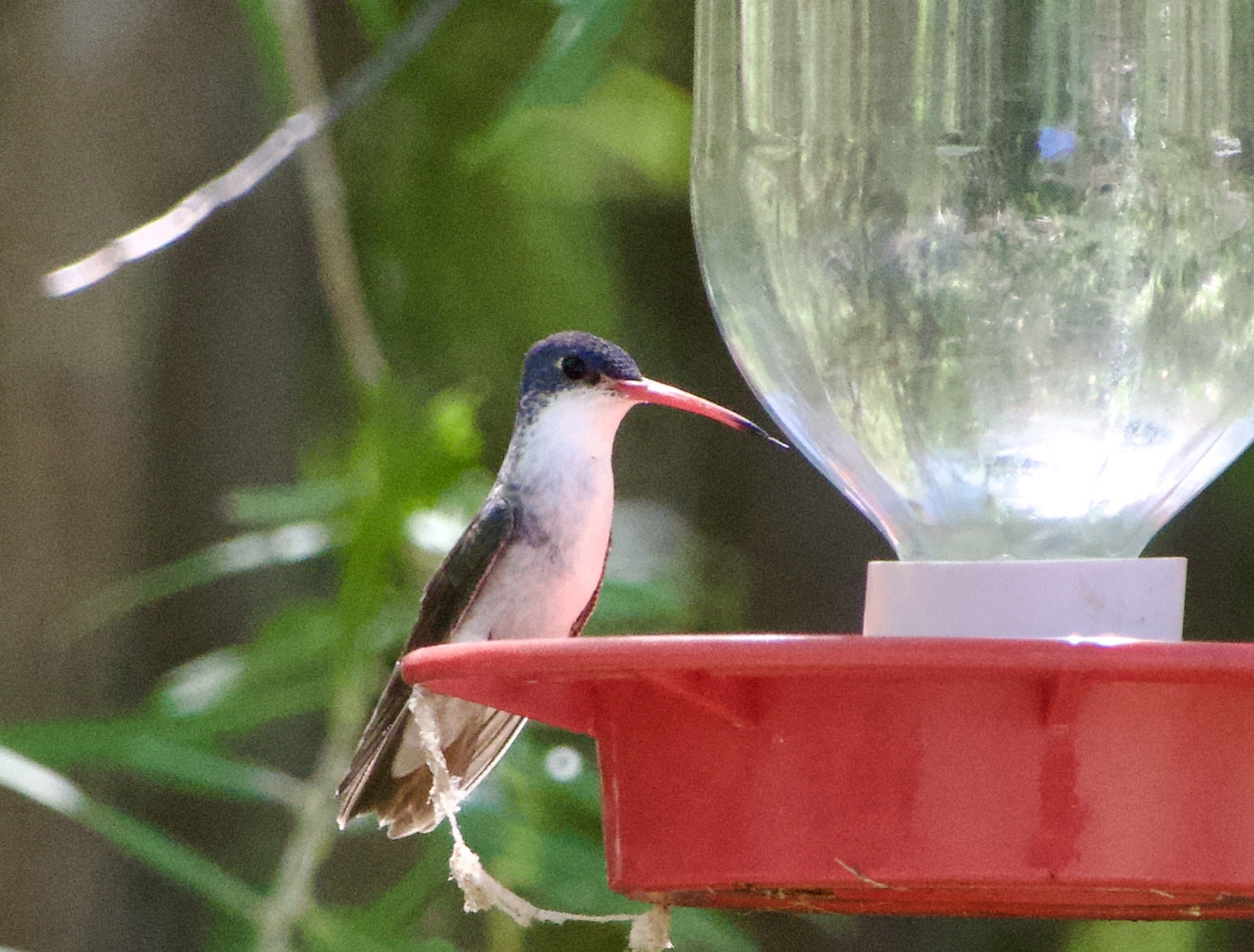
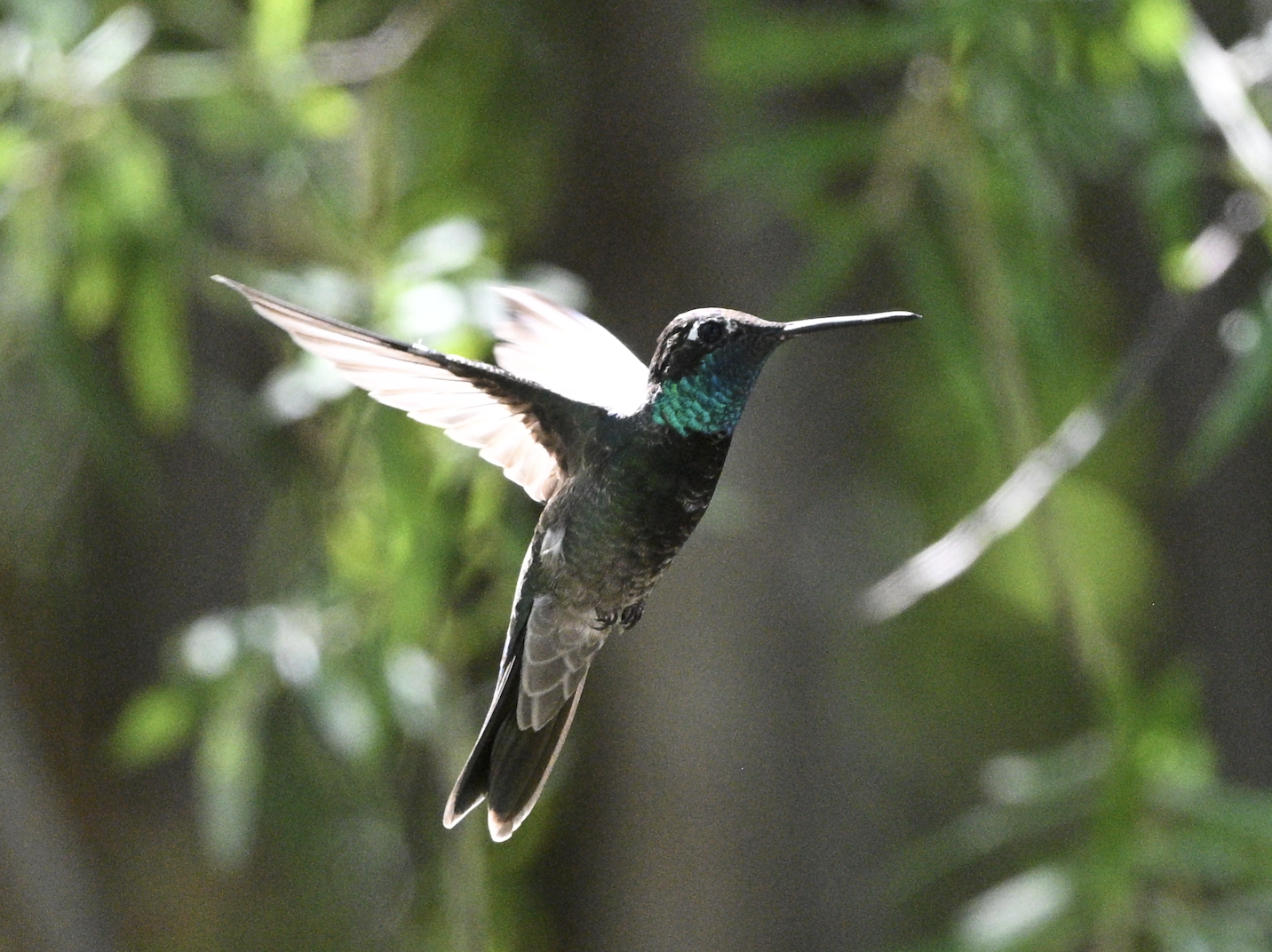
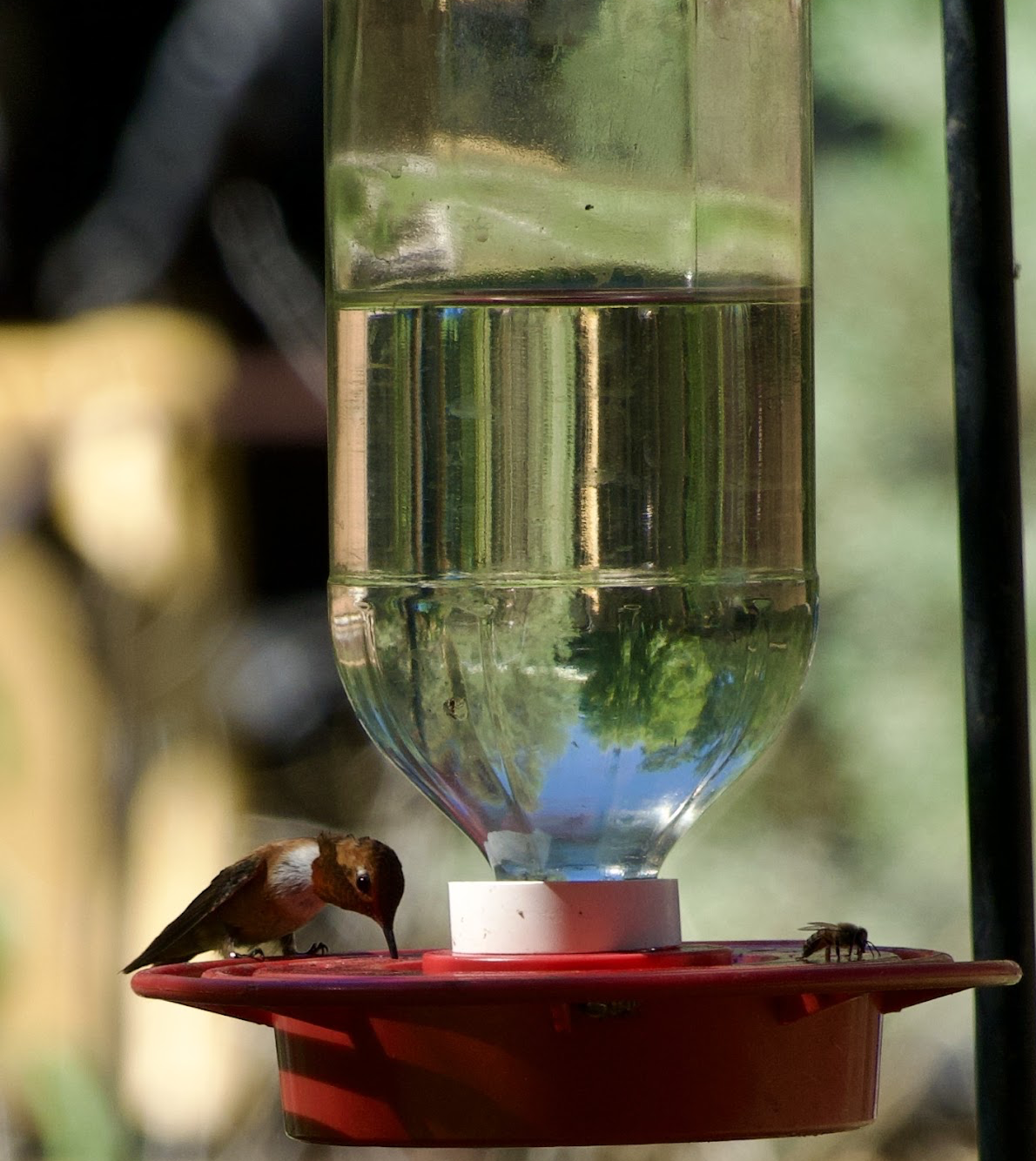
Second stop: the Southwestern Research Station, run by the American Museum of Natural History out of New York. It started life as a ranch house for early settlers after the Apache were removed from the area, and it's since become both a sought-after birding hotspot and an active research station. They offer birding tours, lodging if you book early, and in-house breakfast and dinner. We spent about ninety minutes there, and the hummingbird feeding station was the clear highlight — Rivoli’s, Berylline and Violet-crowned Hummingbirds made an appearance, with the Berylline being an ABA Code-3 rarity. We also nabbed our first Hepatic Tanager. Montezuma Quails are supposed to frequent the roadside leading up to the station, and we scanned every bush hoping for one, but no luck — a multi-year drought has been keeping numbers low and the birds pushed deeper into the forest. We consoled ourselves with ice cream and gift-shop T-shirts and headed back down without the trogon or the quail.
Then, on the drive down the mountain — a flash of green shot across the road right in front of the car. The Coppery-tailed Trogon. It just appeared, exactly when we'd given up hope. PD was thrilled his promise hadn’t fallen by the wayside.
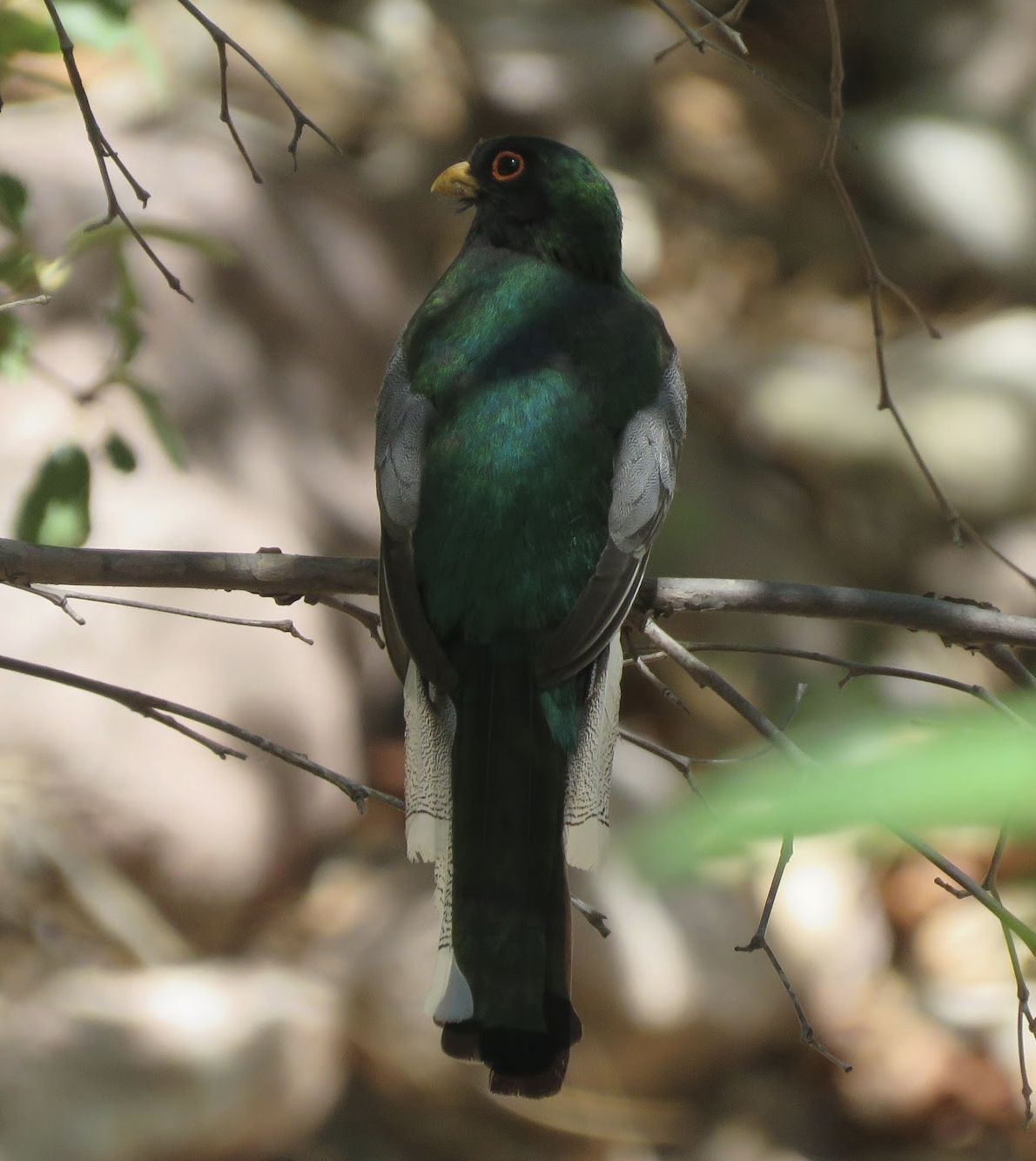
Coppery-Tailed Trogon
The recently renamed Elegant Trogon was the highlight of the Day 1 in Cave Creek Canyon near South Fork Rd.
The rest of the day was spent doing the rounds of backyard feeder stations — mostly homes belonging to former birders or tour guides who keep their setups open to visitors. Afternoons were reserved for the Cave Creek Ranch lobby, the only place with WiFi, and evenings for cooking, cleanup rotation, and eating dinner outside while watching hummingbirds zip in and out (usually a Broad-billed or Blue-throated, sneaking sips from the AC unit's condensation drip).
Portal is also home to Naturalist Journeys, a bird tour company that specializes in Arizona birding as well as trips all over the world. We ran into the owner, Peg, and her staff out on South Fork Road — genuinely lovely people, and they tipped us off about night birding. So back we went, once more into the dark on South Fork. Driving the canyon at night has its own strange charm — the mountains feel taller, closer, almost claustrophobic — but that was easy to shrug off with a Mexican Whip-poor-will and a Whiskered Screech-Owl on the line. We weren't the only ones with that idea; there were more birders out there than we expected. South Fork delivered, again.
The Big Day: Cathedral Rock, Paradise, and Pinery Canyon
The next day was packed. PD started us off on Cathedral Rock Road for a Thick-billed Kingbird that had been spotted a few days prior — still there, and an easy ten-minute drive to boot. The rest of the day, though, meant a lot of white-knuckle driving on dirt roads clinging to ridgelines. Chris and I sat in the back, gripping our seats like kids on a roller coaster (it may have been slightly more dramatic than that description suggests).
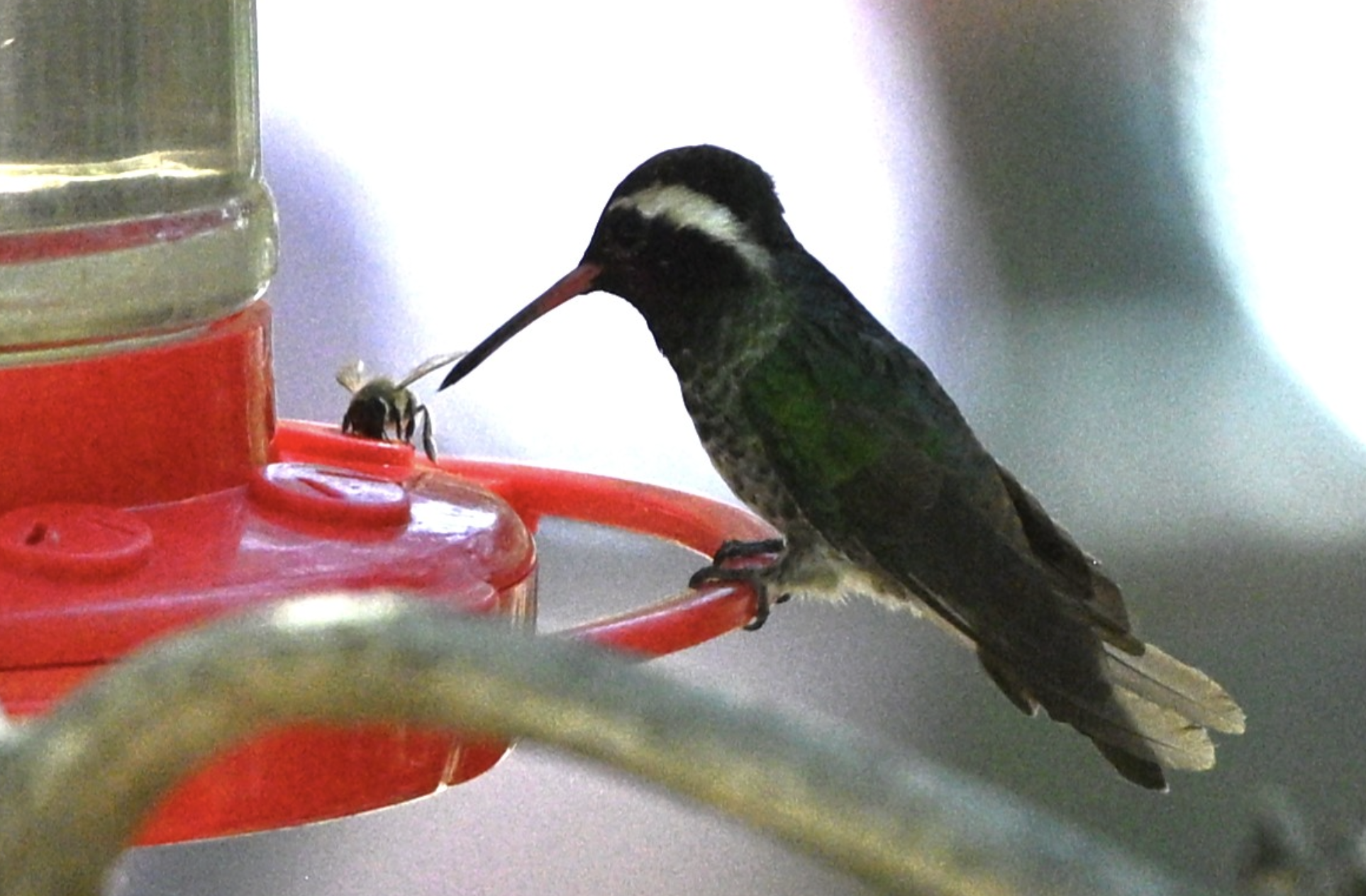
White-Eared Hummingbird
White-eared occurs only above 3500 ft elevation in Chiricahua mountains in the summer. We waited for 45 mins at George Walker’s house to get a view.
Our destination was George Walker's place in Paradise, AZ — once a booming mining town, now home to just a handful of ranches and farm workers. The Walker house runs a feeding station and offers bed-and-breakfast-style stays. Another tour group had gotten there first, so it was a bit crowded, but we still cleaned up on hummingbirds — Calliope and White-eared were the crowd favorites. We waited about an hour for the White-eared to show. Chris, meanwhile, casually picked up a Juniper Titmouse while the rest of us were still waiting, and my jealousy index shot up about twenty points. Guess that means a return trip is in order.
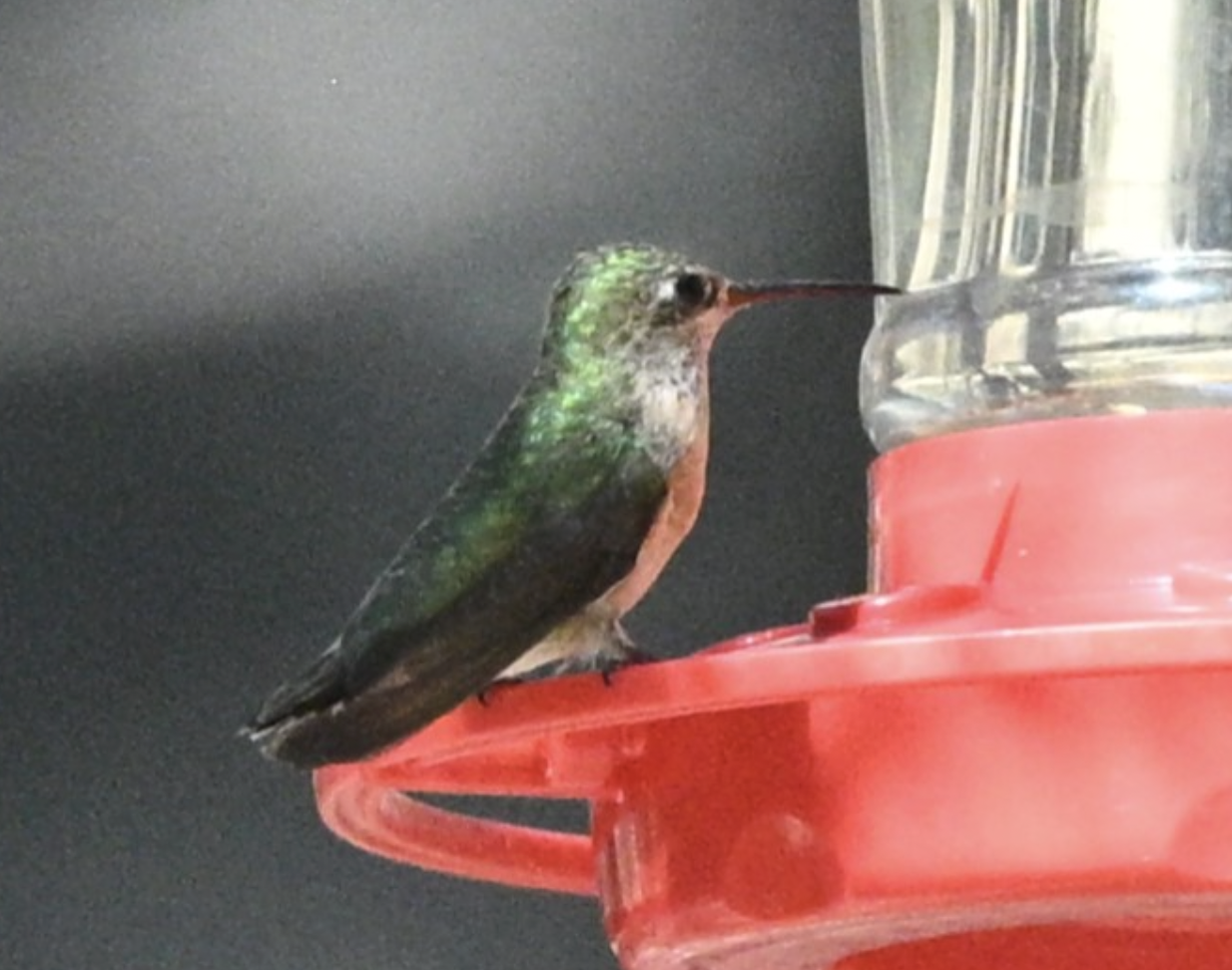
Calliope Hummingbird
Calliope was the smallest among the hummingbirds in SE Arizona.
PD had one more tip from a local guide: a family of Mexican Spotted Owls had been spotted in Pinery Canyon. Getting there meant another 45 minutes of white-knuckle driving, but along the way we picked up some solid high-elevation birds — Yellow-eyed Junco, Mexican Chickadee, Pygmy Nuthatch. Pinery Canyon itself turned out to be a gorgeous, pine-covered camping spot, and we got lucky: a baby Spotted Owl, still in down feathers, sitting right there (parents nowhere in sight). We also logged our first Dusky-capped Flycatcher here.
PD dropped us back at the ranch, and we were beyond grateful for how well he knew the birds and the terrain. The backyard feeders were finally packed with activity that second day — they'd apparently been taken down for a bit after a baby bear started paying visits — which meant a great final haul: Arizona Woodpecker (a first for us), Curve-billed Thrasher, Canyon Towhee, Rivoli's Hummingbird, White-winged and Inca Doves, wild turkeys (the Mexican subspecies), and more Gambel's Quail.
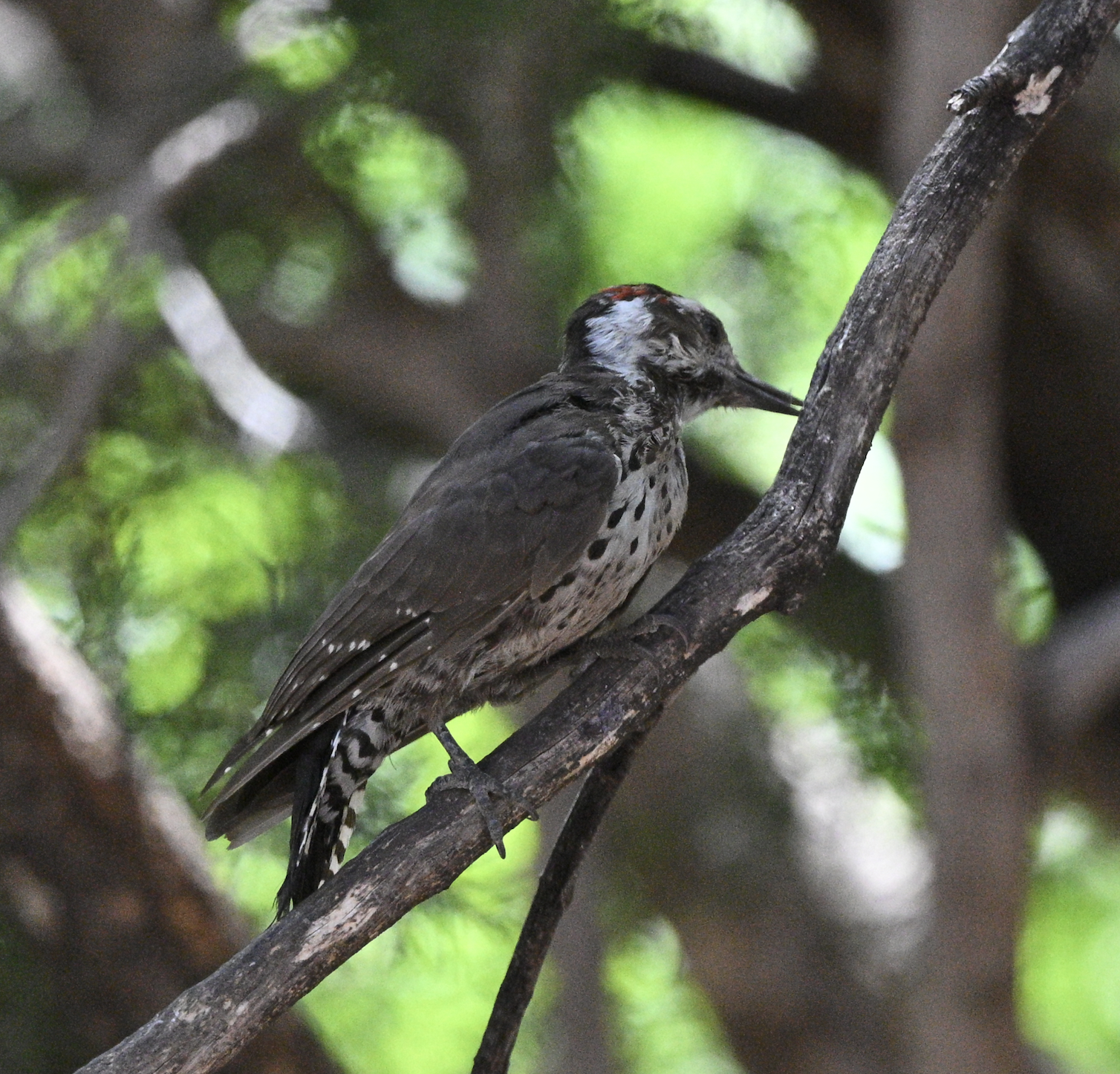
Arizona Woodpecker at the Cave Creek Ranch feeding station in Portal, Arizona.
And with that, our Cave Creek days wrapped up. Next stop: Sierra Vista and the Patagonia Lake area.
P.S. A Portal to Paradise is the title of a 424-page book written by a cattle rancher and one-time park ranger, Alden Hayes. I haven’t read this book, but I thought it was an appropriate title for this essay. Thank you, Alden Hayes.
For more in-depth reading of Cave Creek Canyon - https://lascruces.com/cave-creek-canyon/
